
Welcome To Coffee Ori By Guyub Kopi
A Cup of Inspiration
to Start Your Fantastic Day
Welcome To Coffee Ori By Guyub Kopi
A Cup of Inspiration
to Start Your Fantastic Day
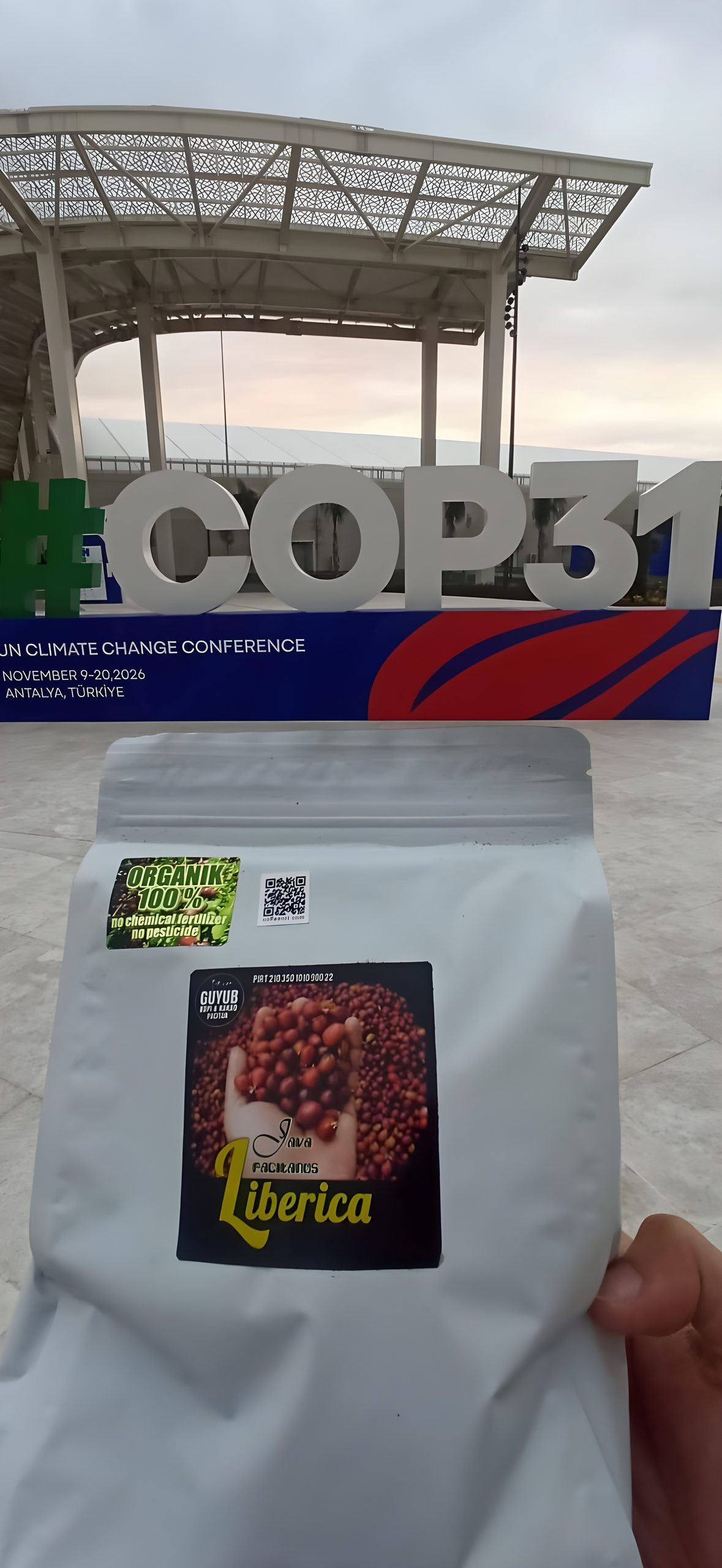
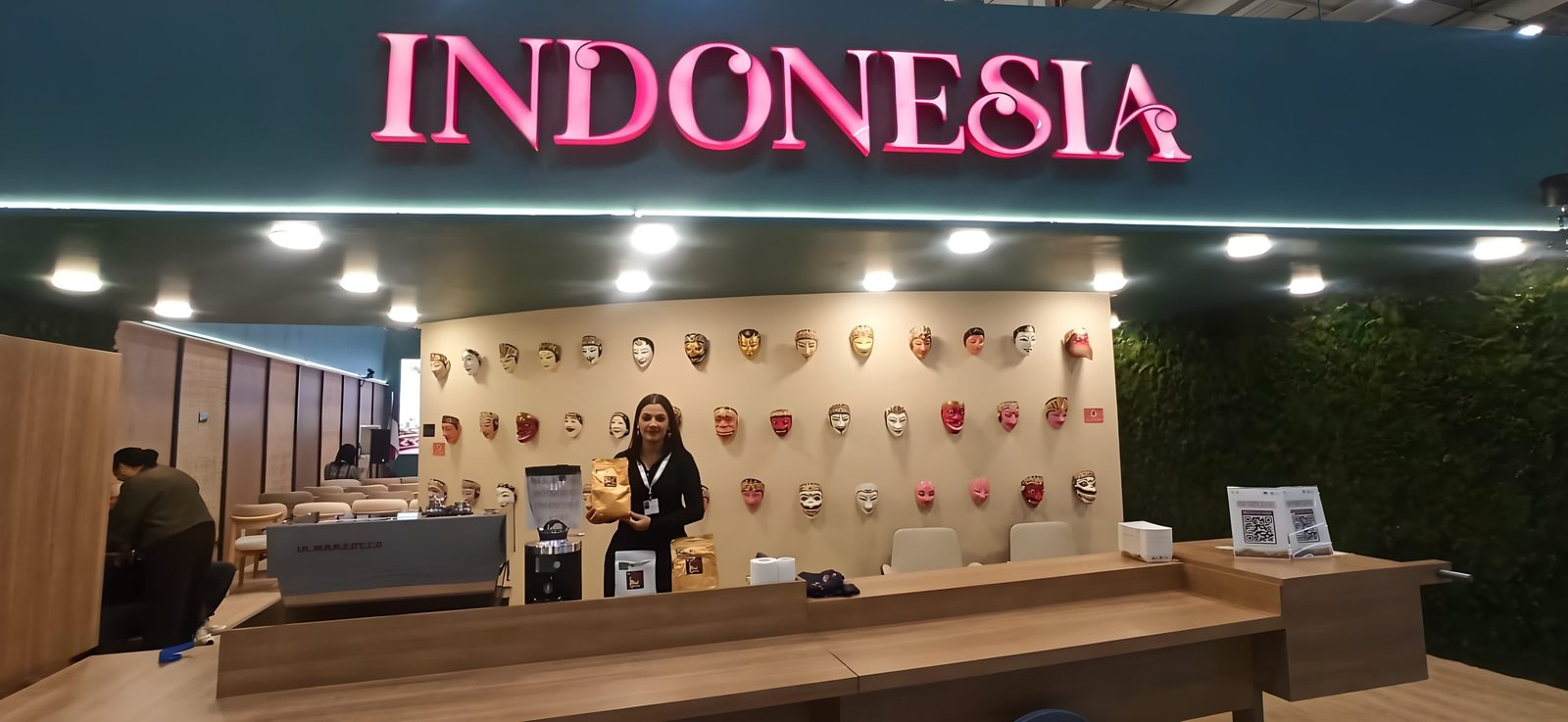
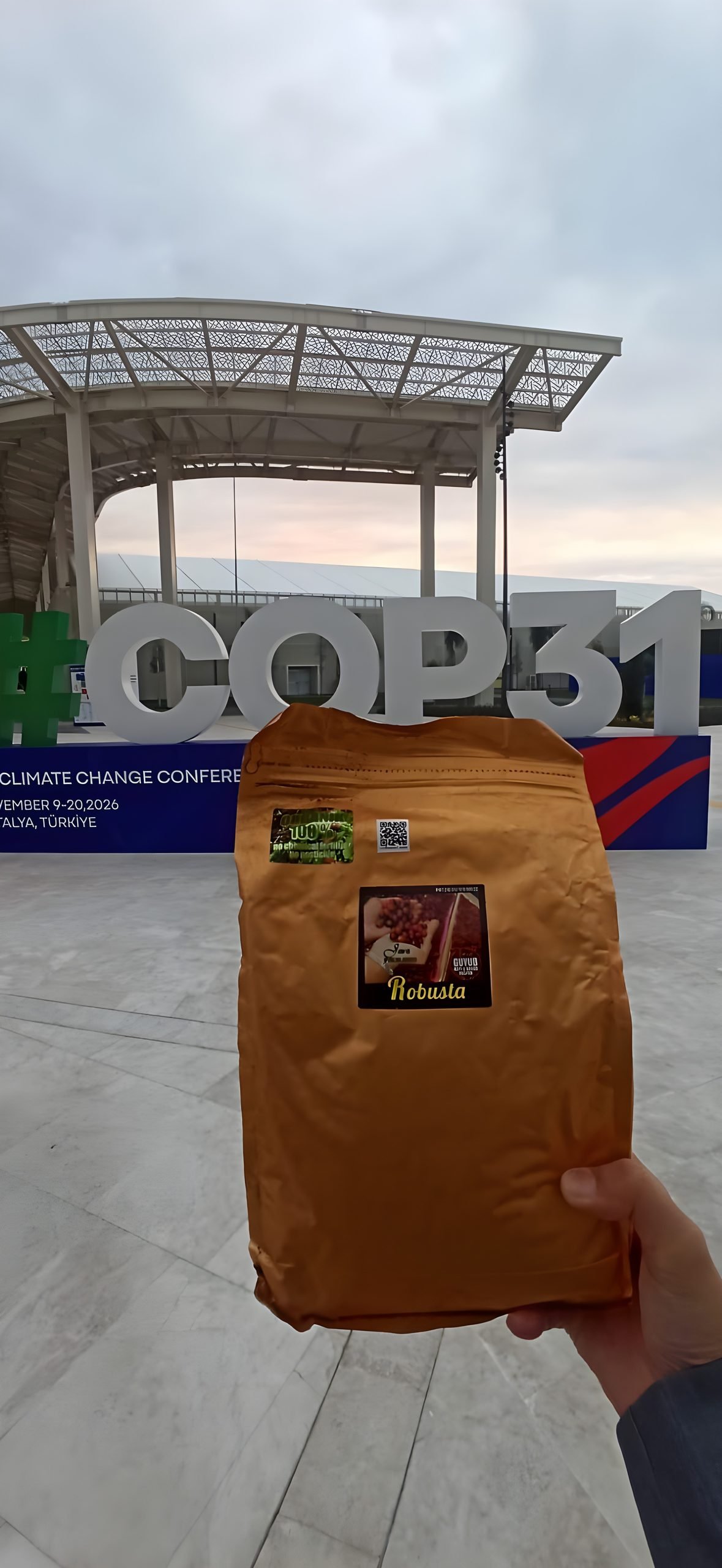
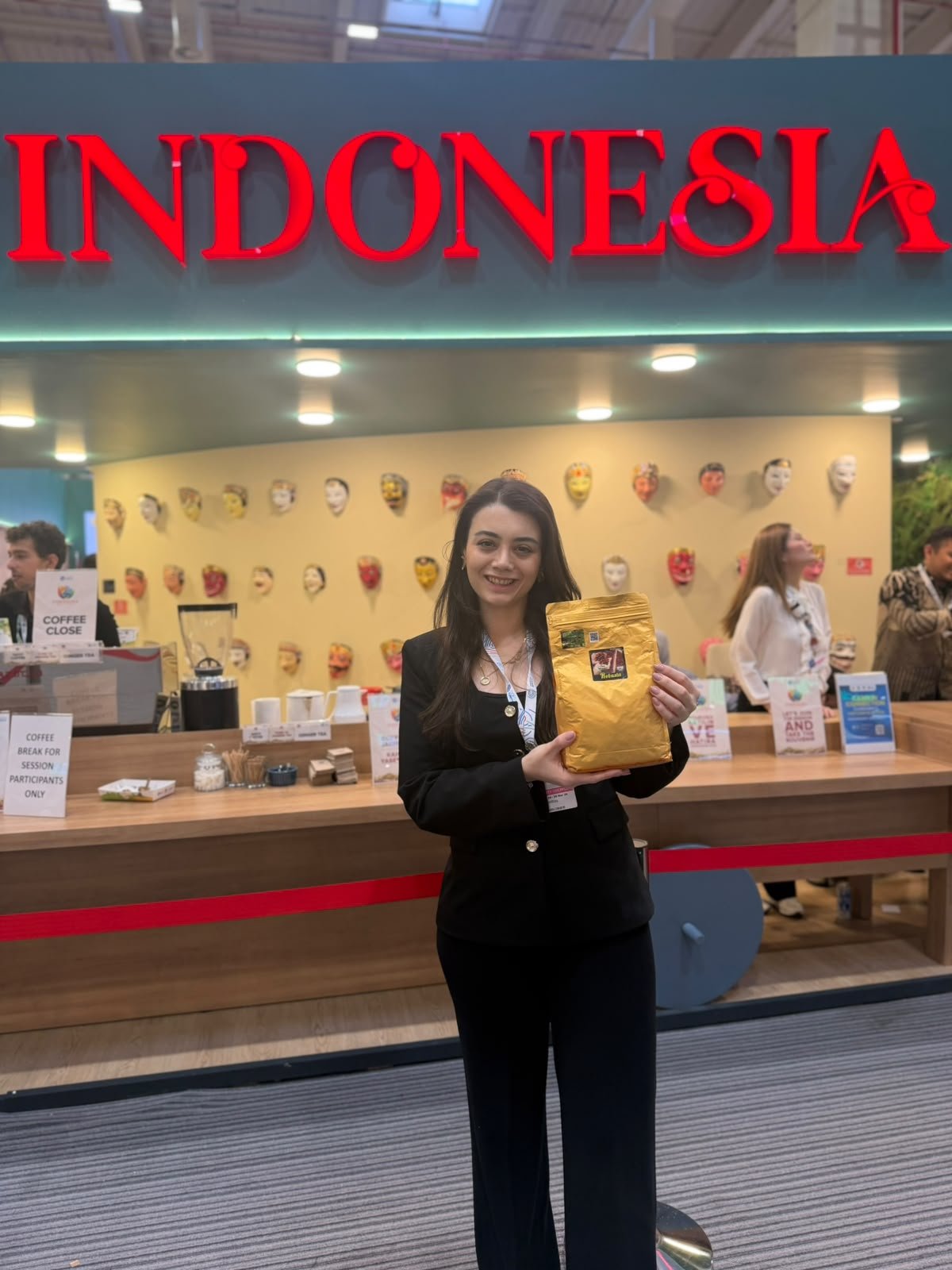
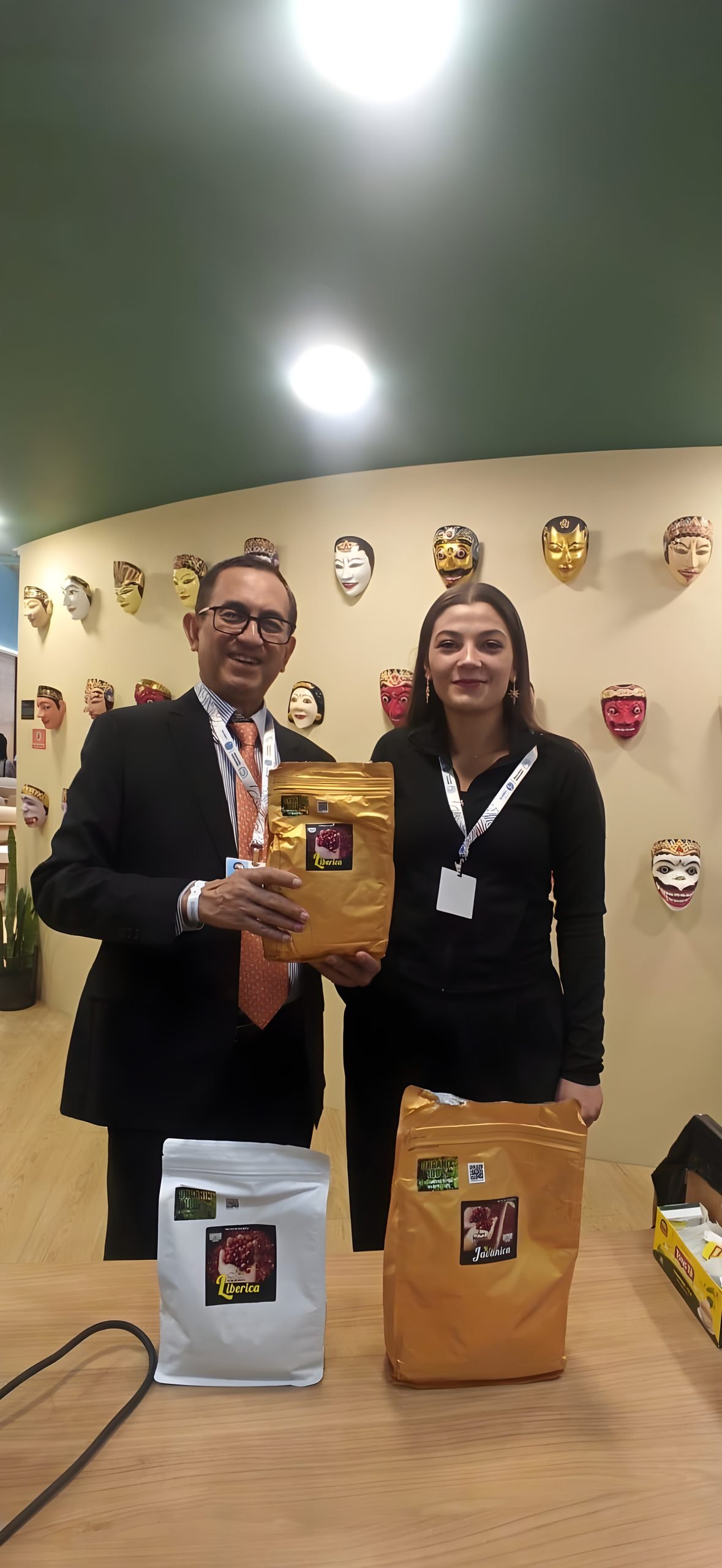
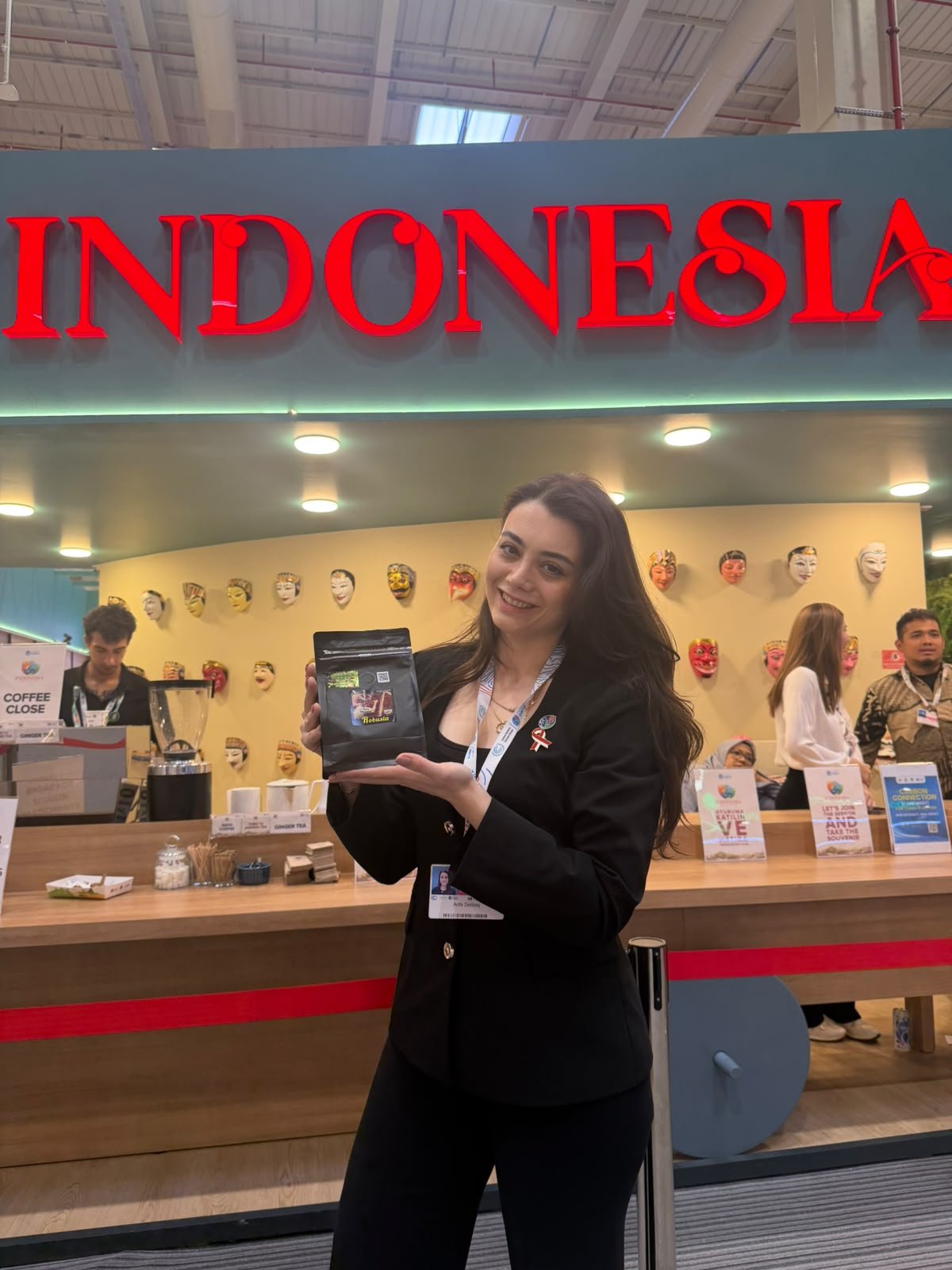
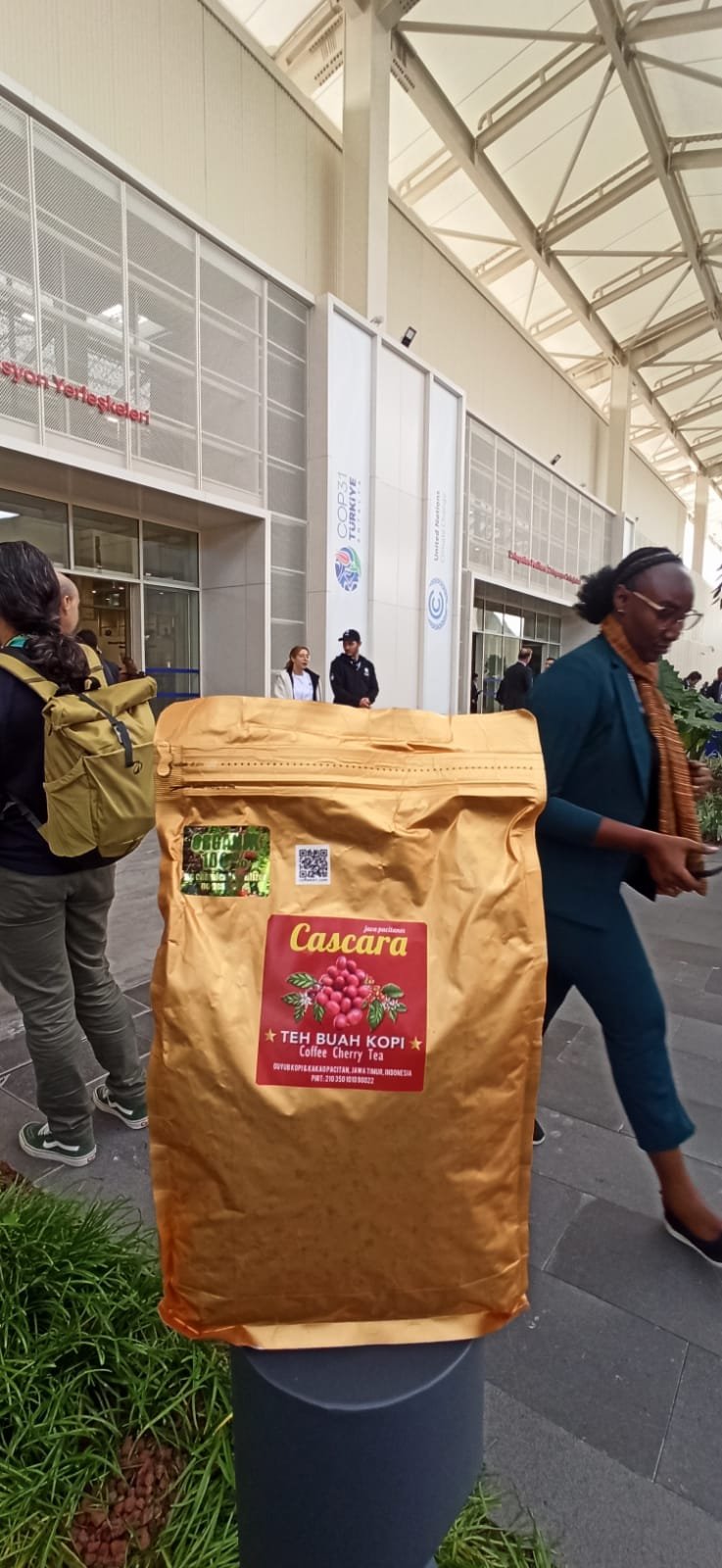
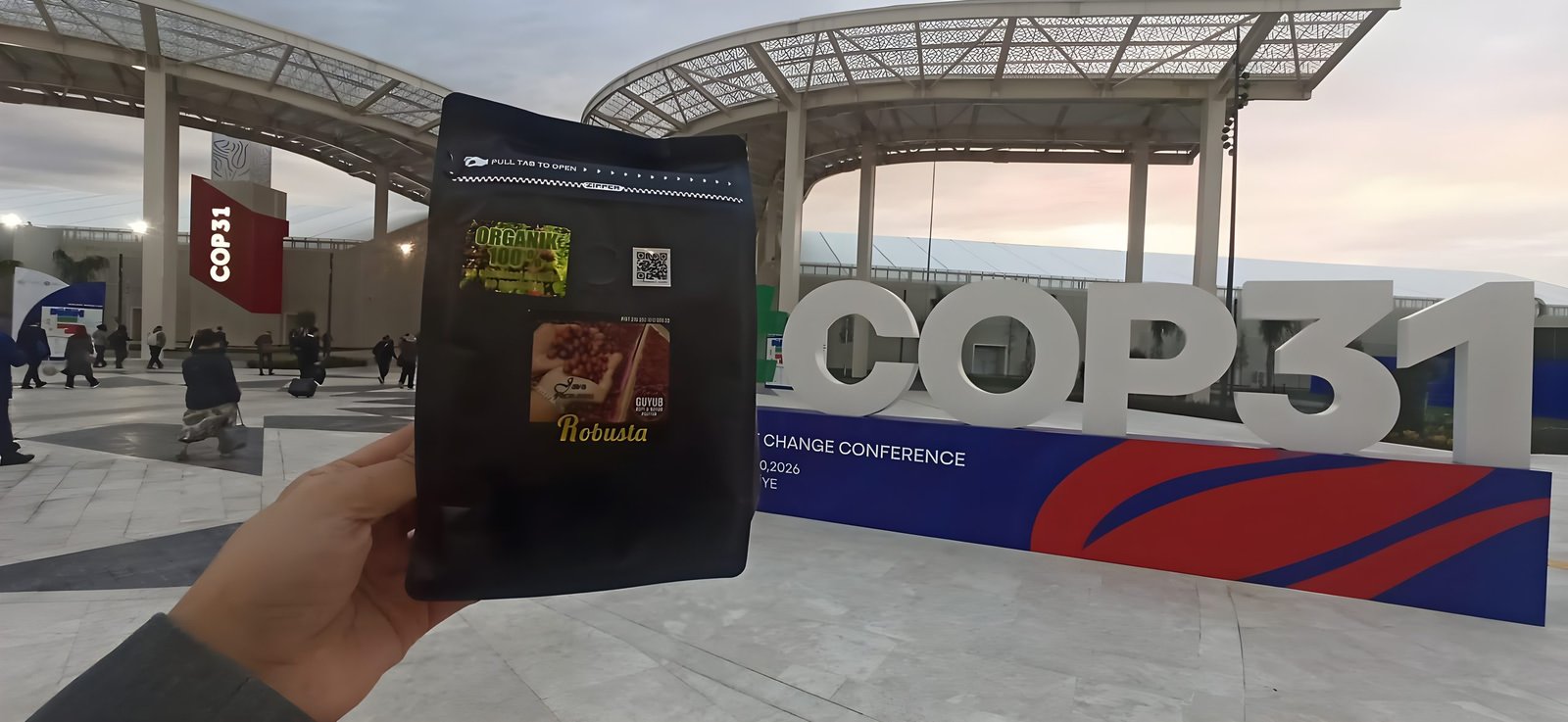
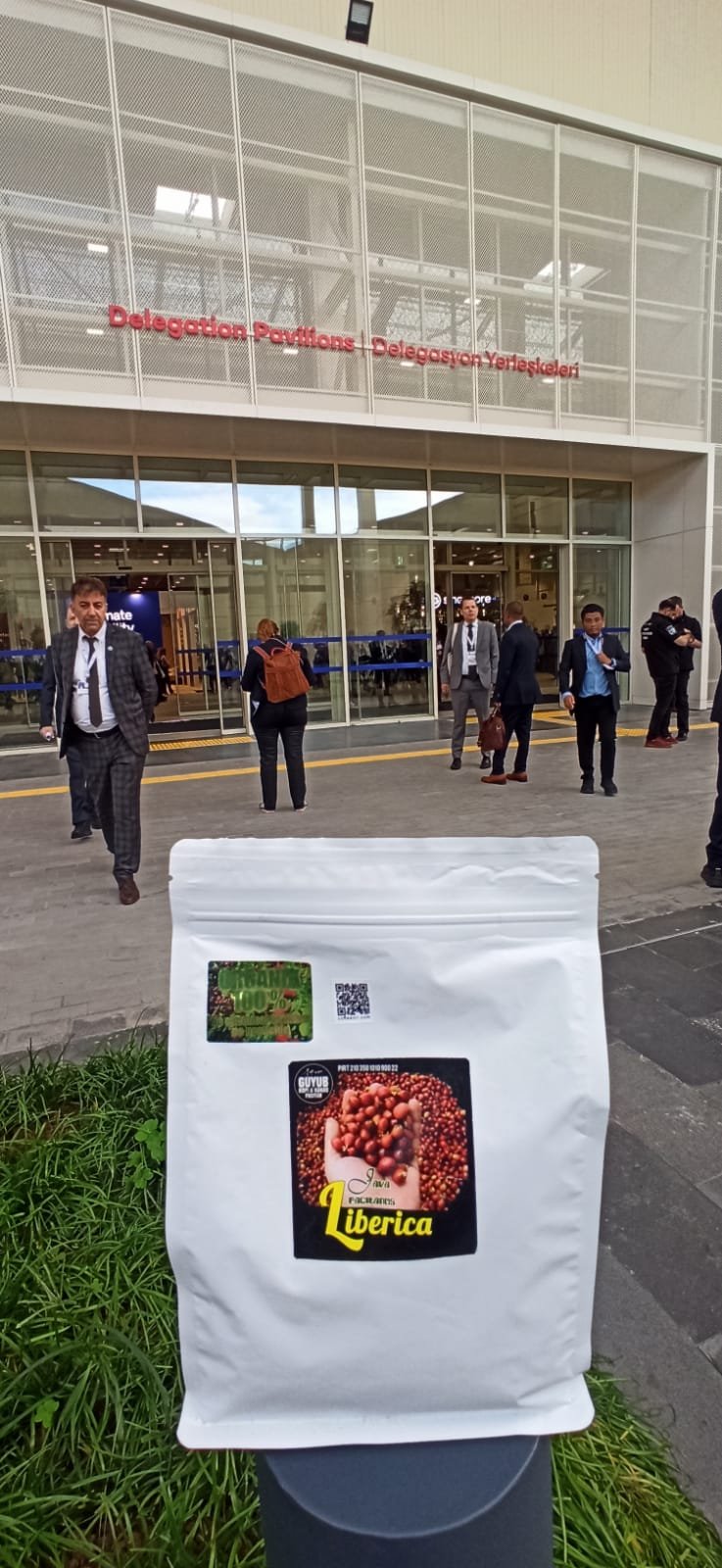
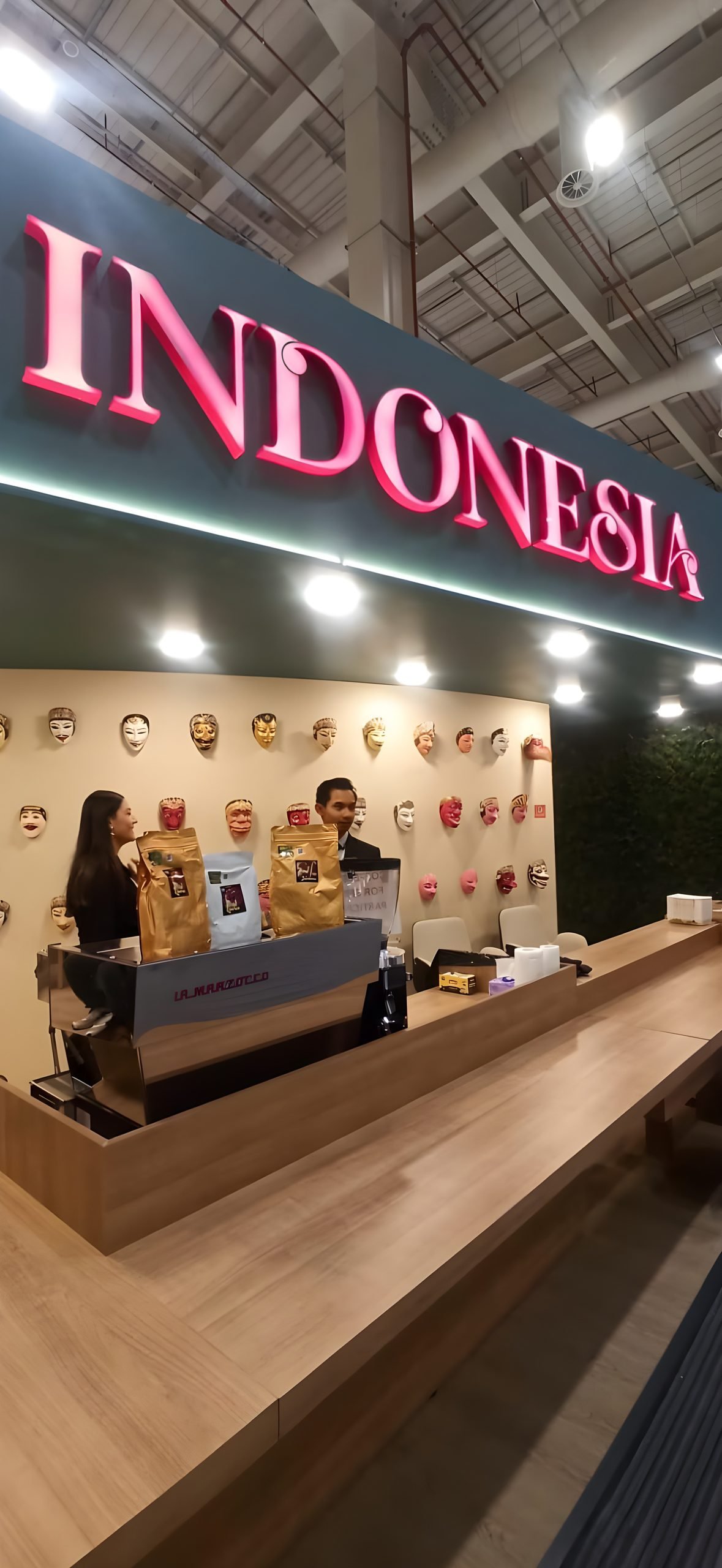
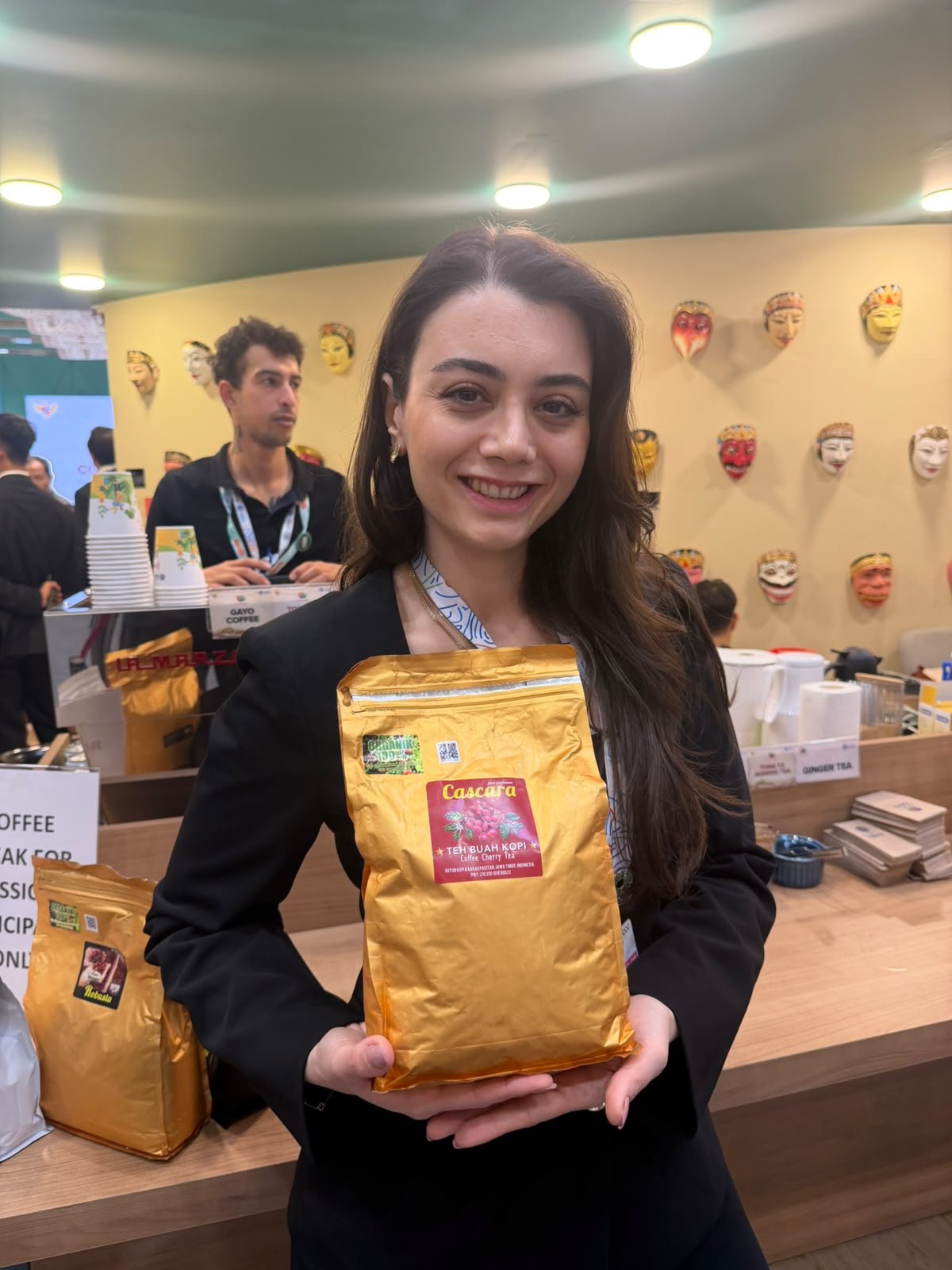
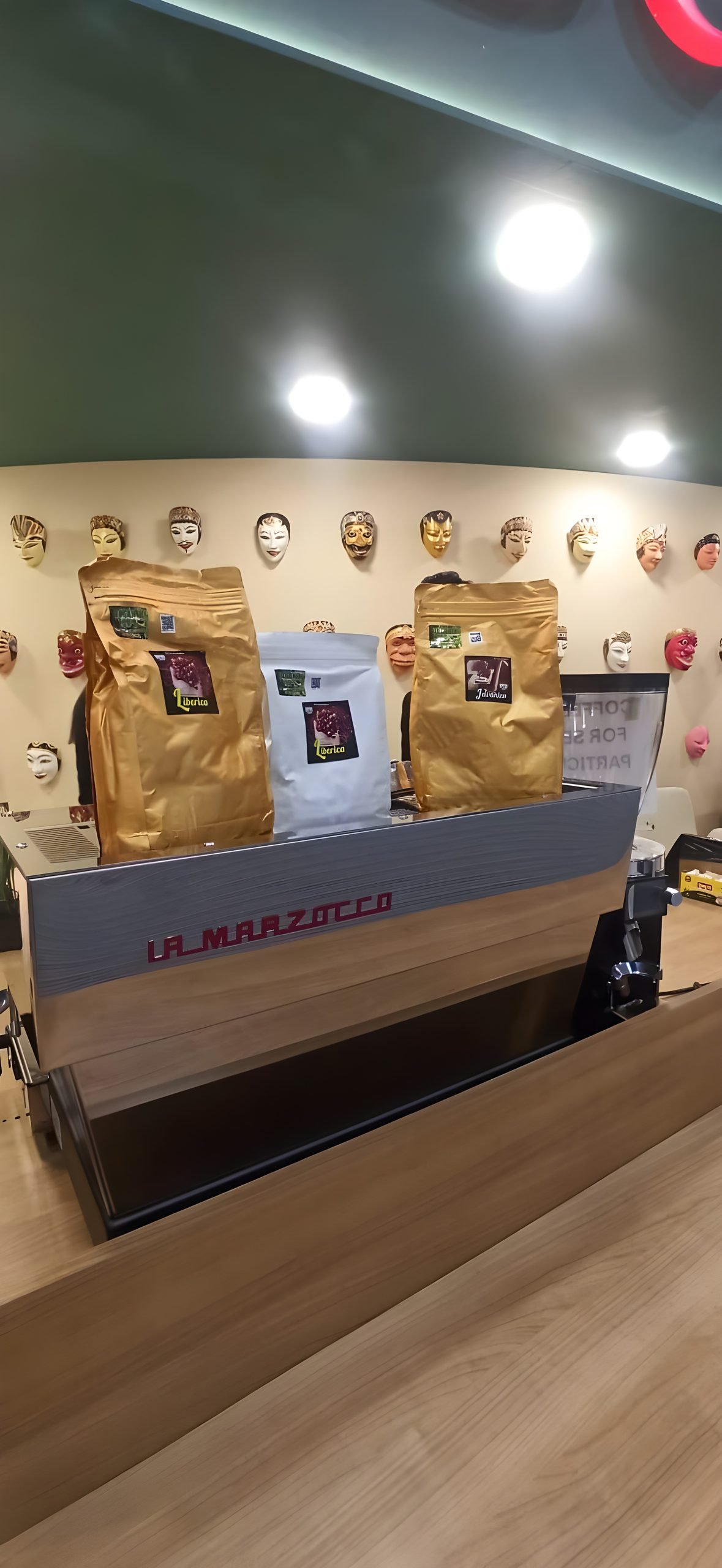
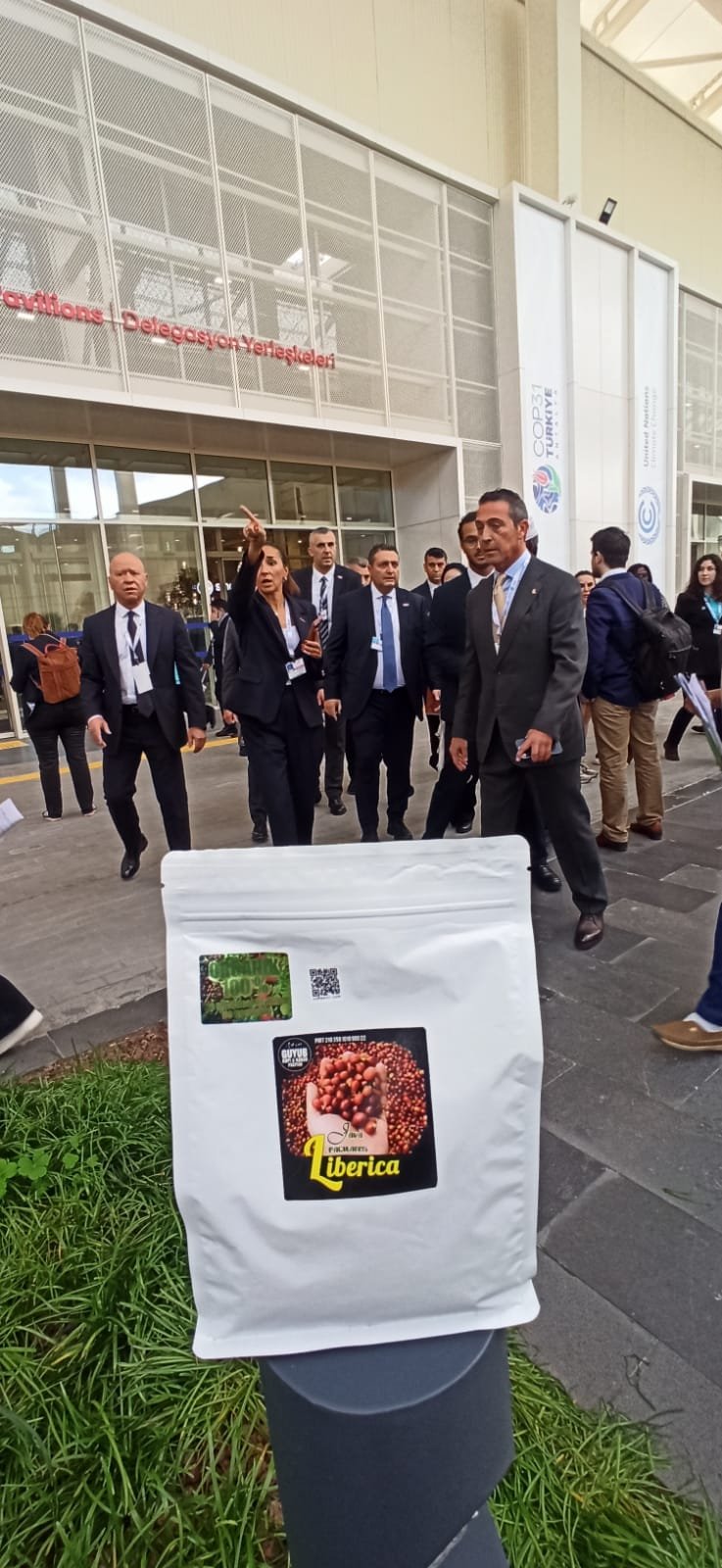
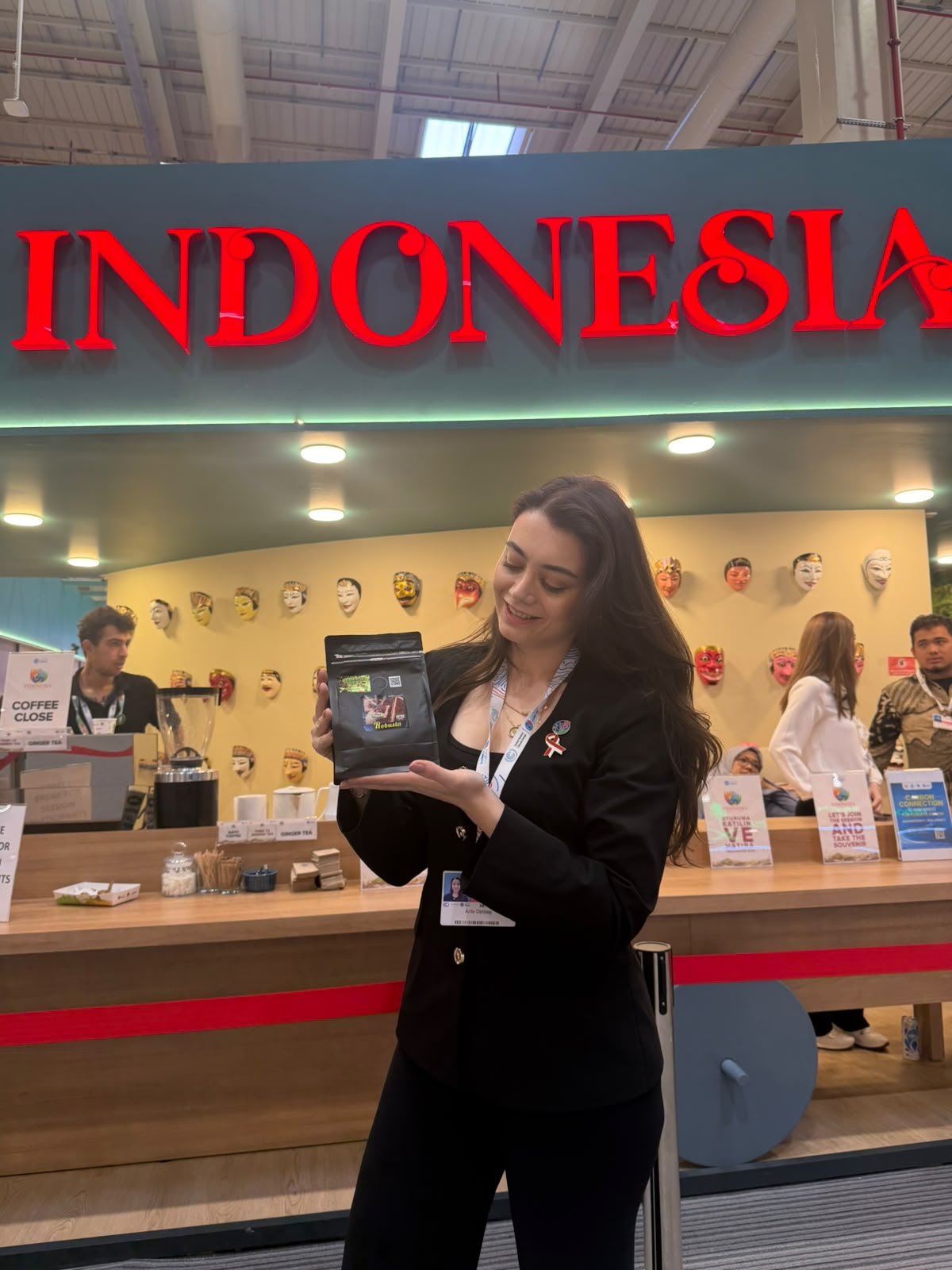
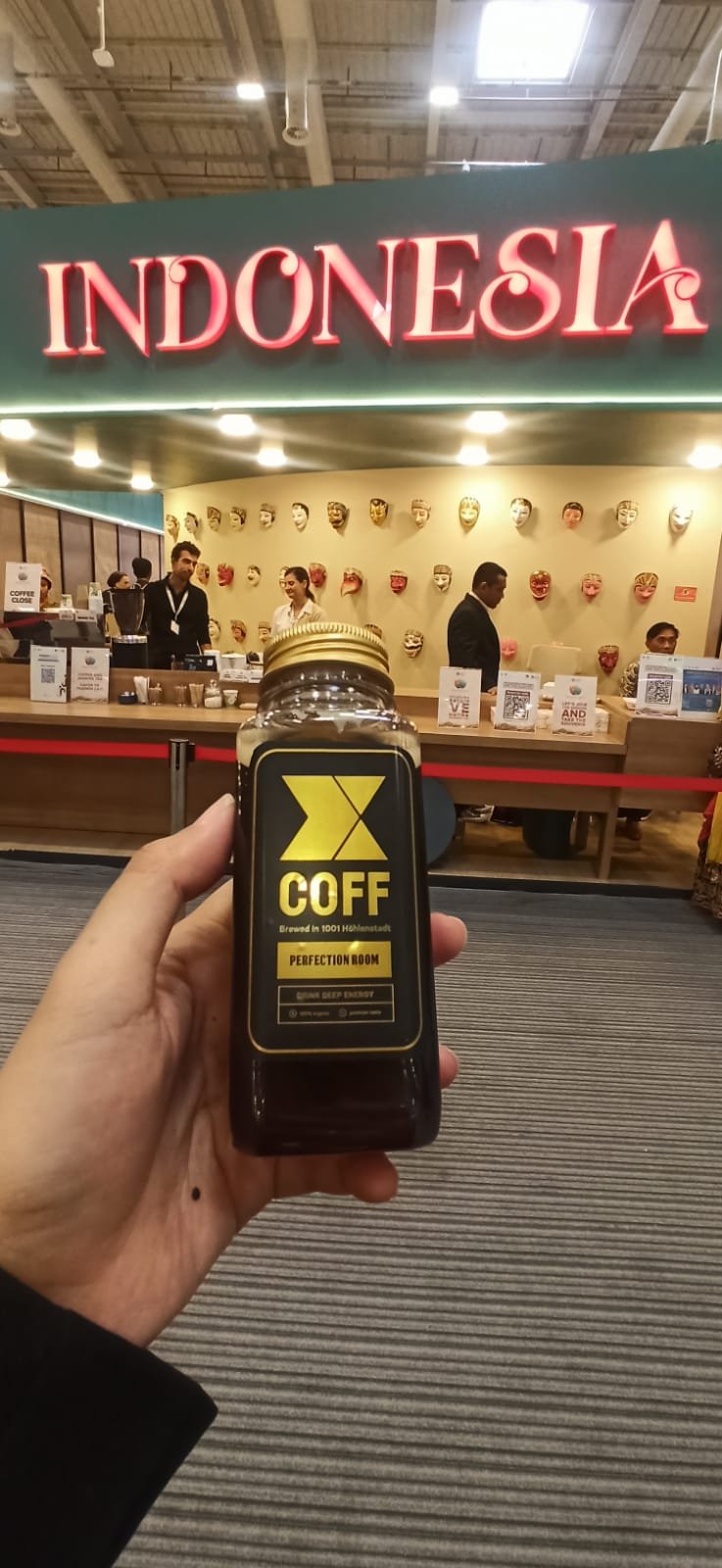
Coffee Ori by Guyub Kopi participated in the international United Nations Climate Change Conference — Conference of the Parties 31 (COP31) — held in Antalya, Turkey, from November 9–20, 2026.
Welcome To Coffee Ori By Guyub Kopi
A Cup of Inspiration
to Start Your Fantastic Day
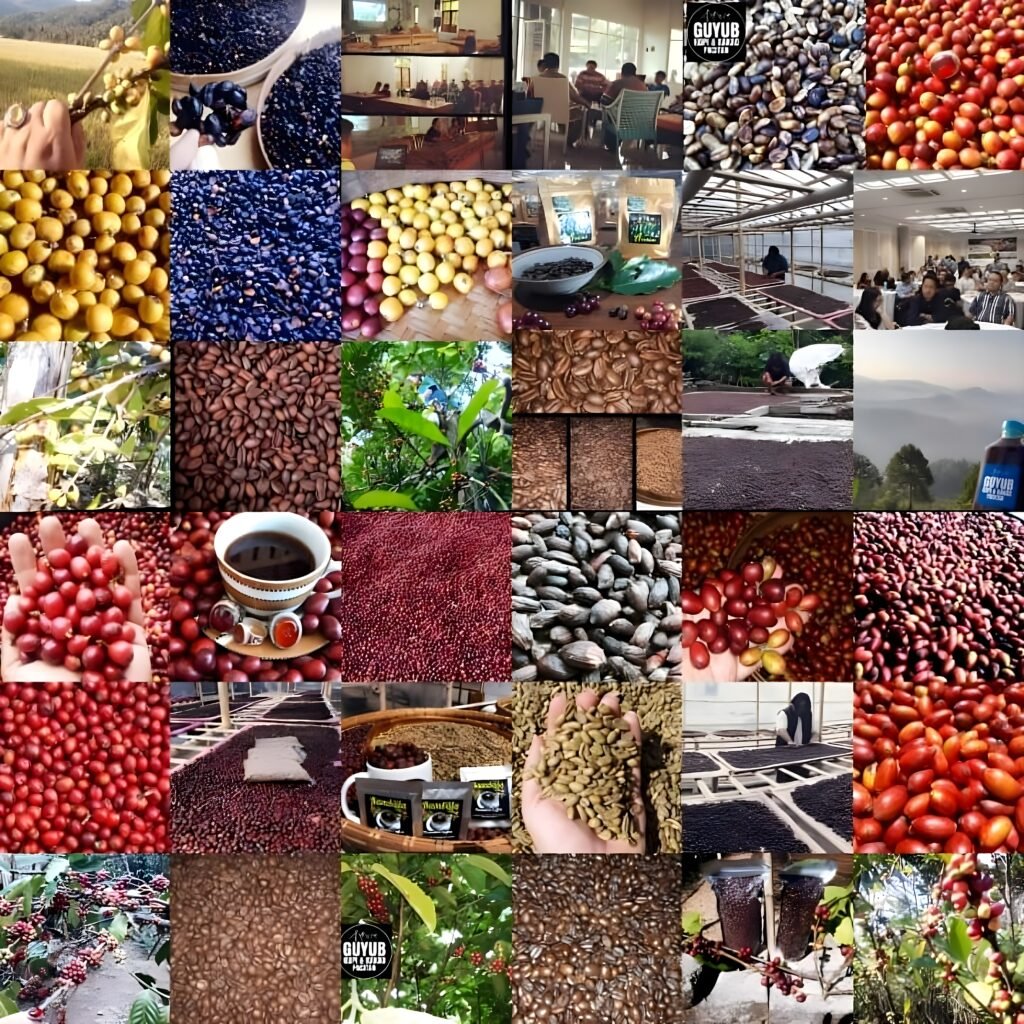
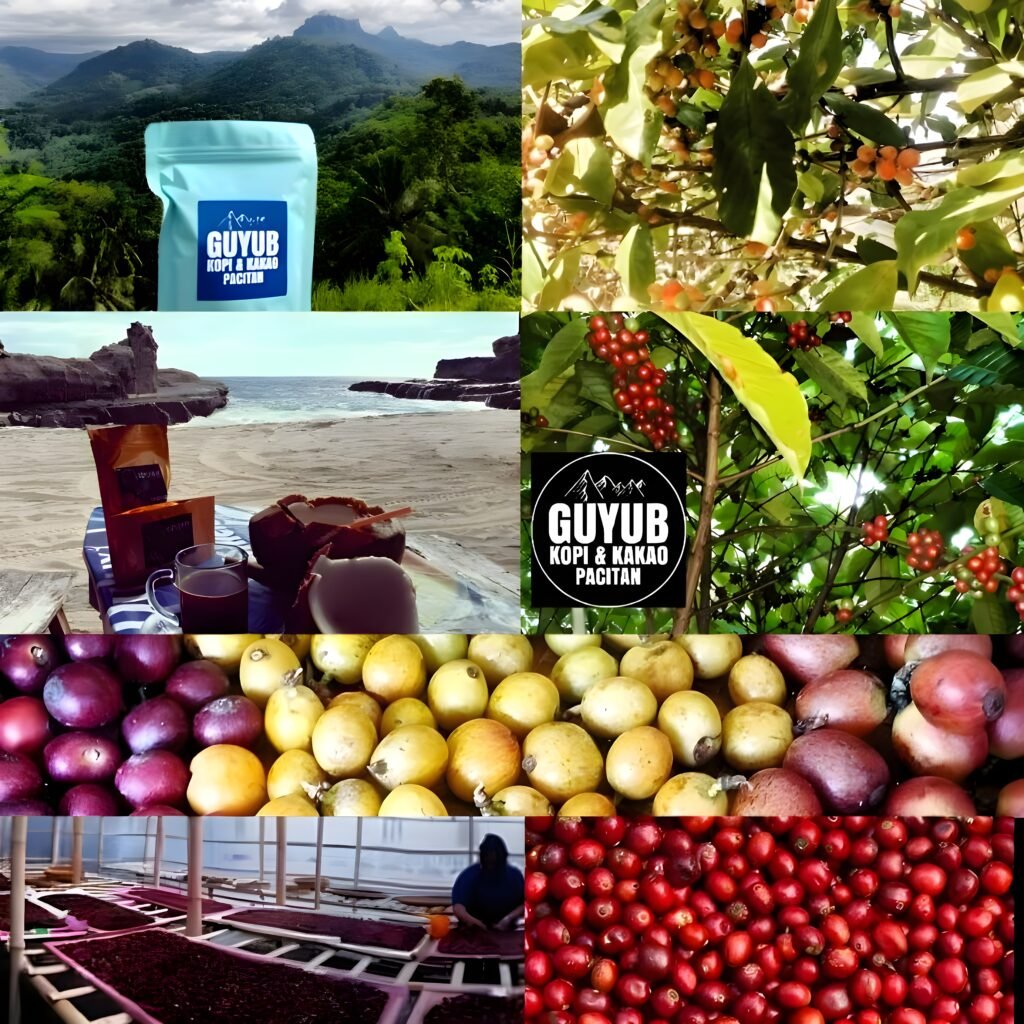
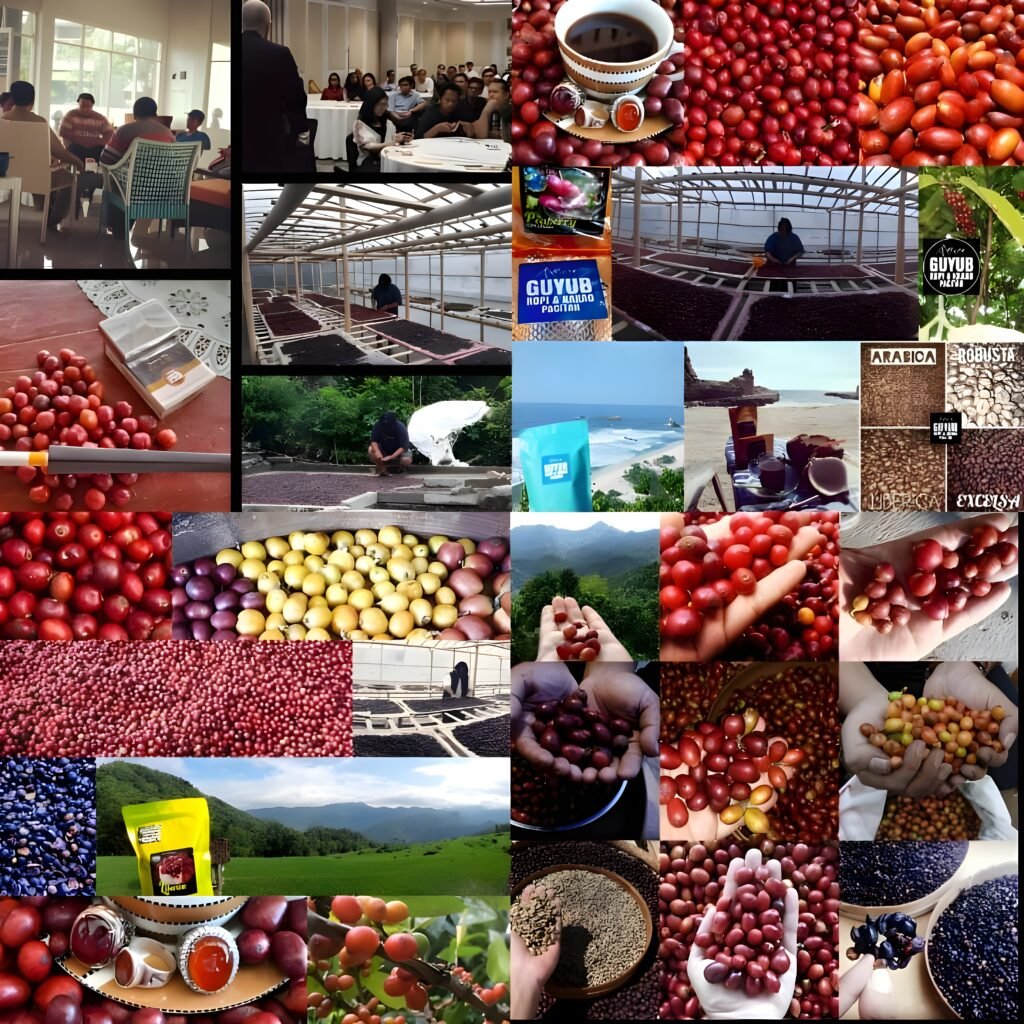
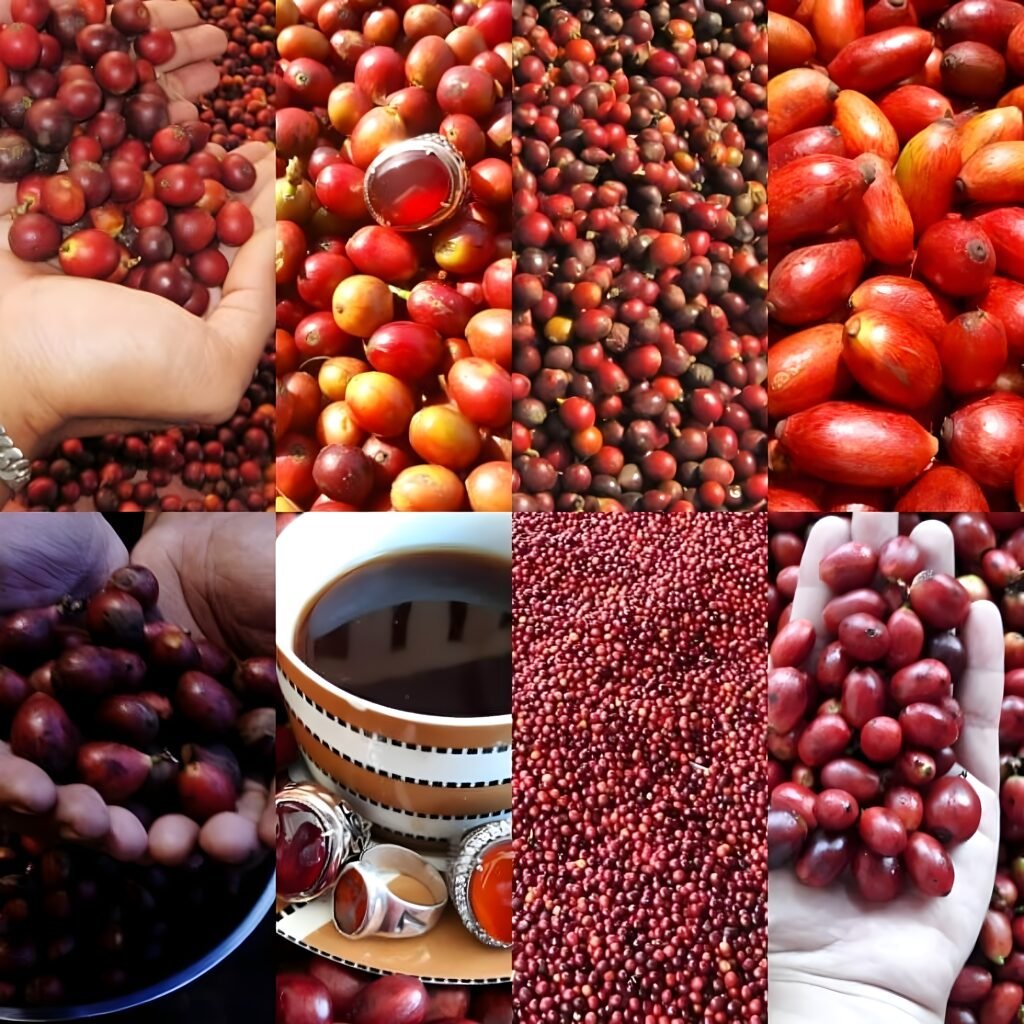
Your Finest Coffee, Served Right to Your Doorstep!
“Nature’s Goodness in Every Sip”
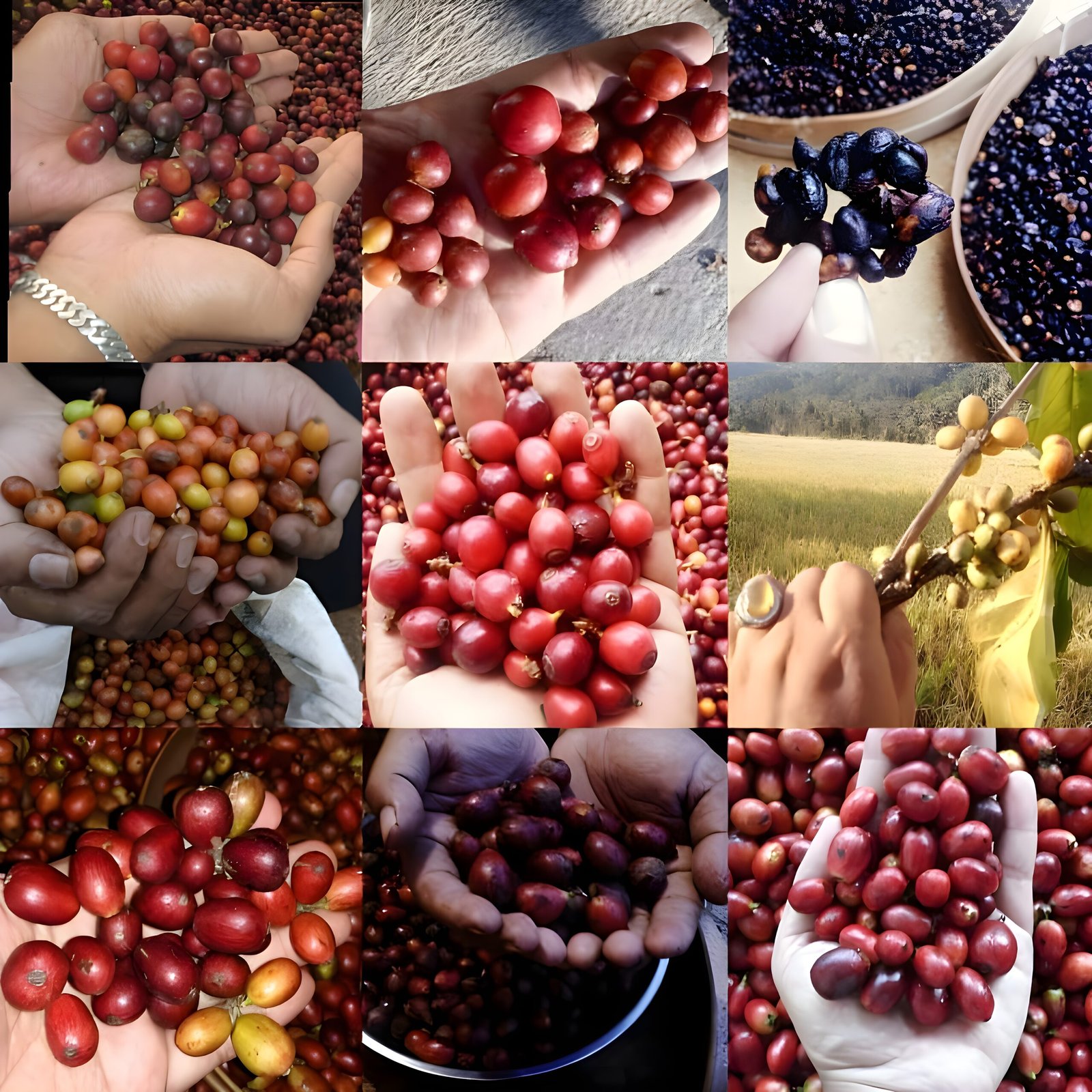
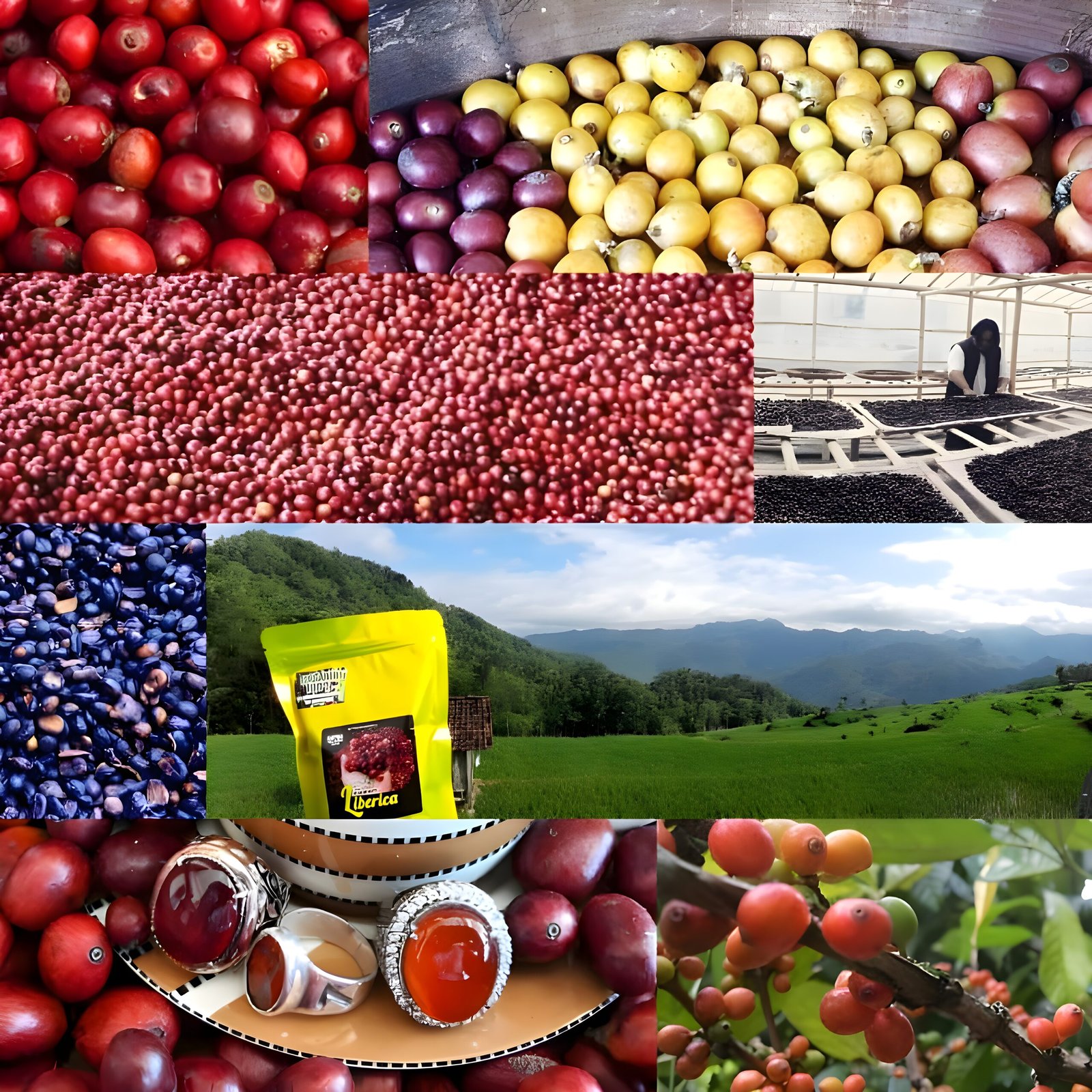
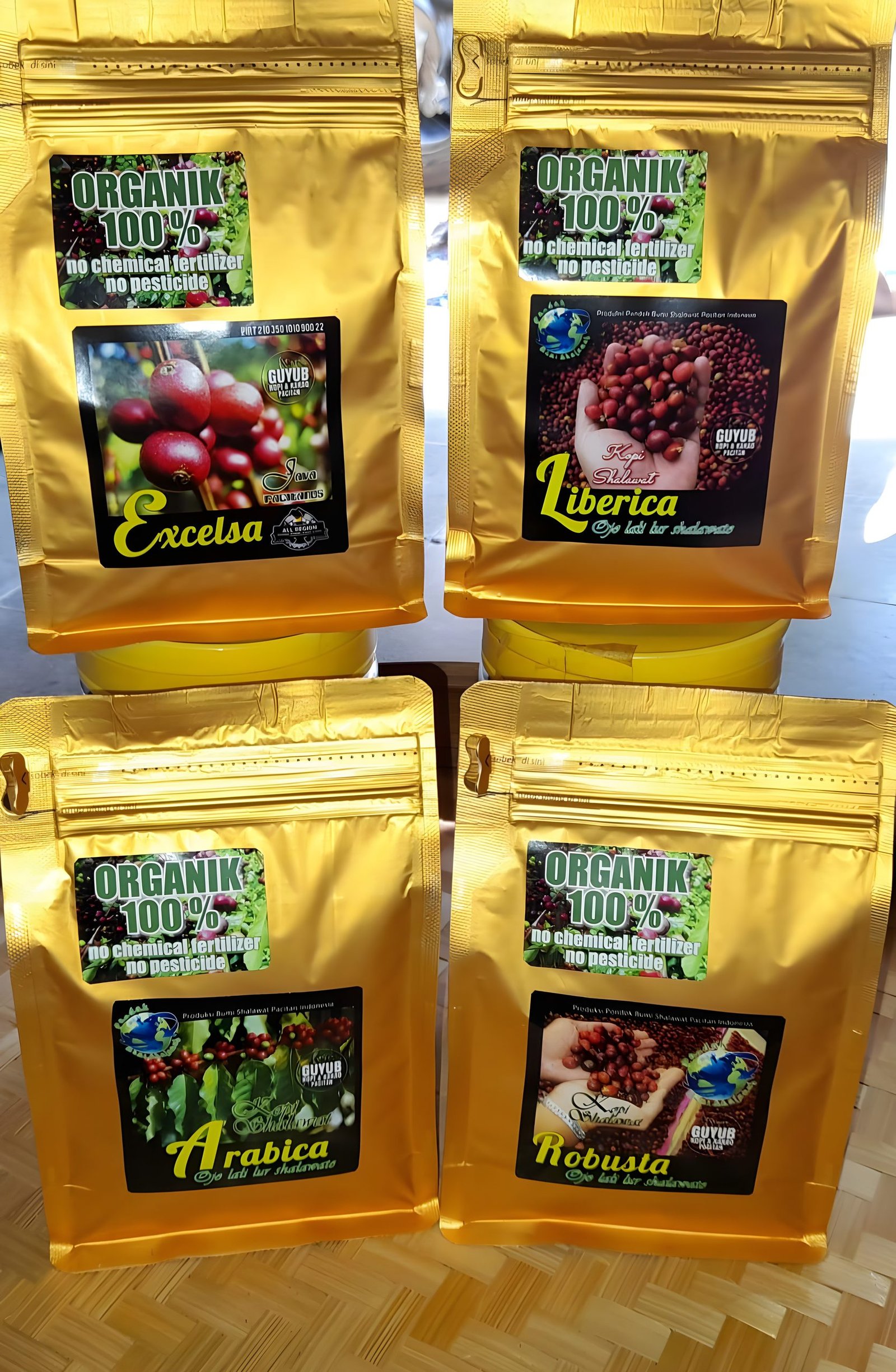
Every coffee bean in your hands originates from soil nurtured with care-free from a single drop of artificial chemical fertilizers or synthetic pesticides. We believe that true flavor is crafted purely by nature. Through the dedication of local farmers, we cultivate four legendary Indonesian varieties: the elegant and rich profile of Arabica; the bold intensity of Robusta; the distinctive Liberica with its rare jackfruit aroma; and the exotic, sweet, and complex Excelsa.
By choosing our pure organic coffee, you are doing more than just enjoying the highest quality brew. You are helping preserve the earth’s fertility, protect soil biodiversity, and support the livelihoods of farmers dedicated to the land.
From a thriving earth, straight to your pure cup.
STORYTELLING
The botanical world of coffee (the genus Coffea) is remarkably diverse and continues to undergo taxonomic updates as modern genetic research progresses. Both traditionally and commercially, coffee is recognized through several primary species, each possessing distinct morphological characteristics, flavor profiles, and climatic requirements.
Below is a detailed explanation of the origins and characteristics of the four main types of coffee you mentioned, as well as other coffee varieties beyond this group.
The Four Main Types of Coffee :
A. Coffea canephora var. Robusta
Origins & History: Native to the lowland forests surrounding the Congo Basin in Central and West Africa. The plant was first scientifically documented in the Lomami region (Zaire/Congo) in the late 19th century. It was named “Robusta” due to its exceptional resilience against coffee leaf rust (Hemileia vastatrix) and various pests—diseases that, at the time, were devastating Arabica plantations worldwide.
Characteristics & Habitat: Thrives in low-lying areas, typically between 200 and 800 meters above sea level (masl), in warmer temperatures (24°C–30°C). Its beans contain significantly higher levels of caffeine than Arabica (approximately 2.2%–2.7%) and are rich in chlorogenic acids. This results in a flavor profile that is generally bold, characterized by a clean bitterness and earthy notes, with subtle hints of nuts or dark chocolate; when used in espresso, it produces a thick crema.
B. Coffea arabica
Origins & History: Originates from the southwestern highlands of Ethiopia (specifically the Kaffa and Boma regions) and Yemen on the Arabian Peninsula. Coffea arabica was the first coffee species to be cultivated on a large scale by humans—beginning in Yemen as early as the 15th century—before spreading globally through Dutch and French colonization. * Characteristics & Habitat: Grows optimally in cool, high-altitude regions between 1,000–2,000 meters above sea level (masl), with an ideal temperature range of 15°C–24°C. This plant is more susceptible to diseases and climate change. Its beans have a lower caffeine content (1.2%–1.5%) and a higher concentration of natural sugars and oils. The flavor profile is highly complex, ranging from fruity and floral notes to a bright, elegant acidity.
C. Coffea liberica var. Dewevrei (formerly known as Excelsa / Coffea liberica var. excelsa)
Origins & History:
Liberica originated in the tropical rainforests of Liberia in West Africa and was discovered in 1843. The species was introduced to Asia (including Indonesia) in the late 19th century to replace Arabica plants that had been wiped out by a coffee leaf rust outbreak.
D. Excelsa was initially classified as a distinct species (Coffea excelsa or Coffea dewevrei) following its discovery in the Ubangi River region of Central Africa in 1904. However, based on modern taxonomic revisions by botanists—including those at the Royal Botanic Gardens, Kew—Excelsa is now officially categorized as a variety or synonym of Coffea liberica (Coffea liberica var. dewevrei).
Characteristics & Habitat: The trees grow to significant heights (reaching 9–15 meters) and feature large leaves and fruit. Both are highly resilient, drought-tolerant, and capable of adapting to low- to mid-altitude environments (0–750 masl).
Liberica possesses a unique flavor profile: it is full-bodied and woody, with a distinctive aroma reminiscent of jackfruit or ripe tropical fruit. * Excelsa possesses a sharper flavor complexity, blending notes of ripe, tart, or fruity characteristics with a distinct roasted aroma; it is frequently used as a blending component to add a unique dimension to commercial coffee.
Other Coffee Varieties Beyond the Four Main Types :
Beyond the Arabica, Robusta, and Liberica/Excelsa groups, there are over 120 species of wild and cultivated coffee worldwide. Some of these hold historical or botanical significance, or possess intriguing commercial potential:
A. Coffea liberica var. Liberica (Pure Variety)
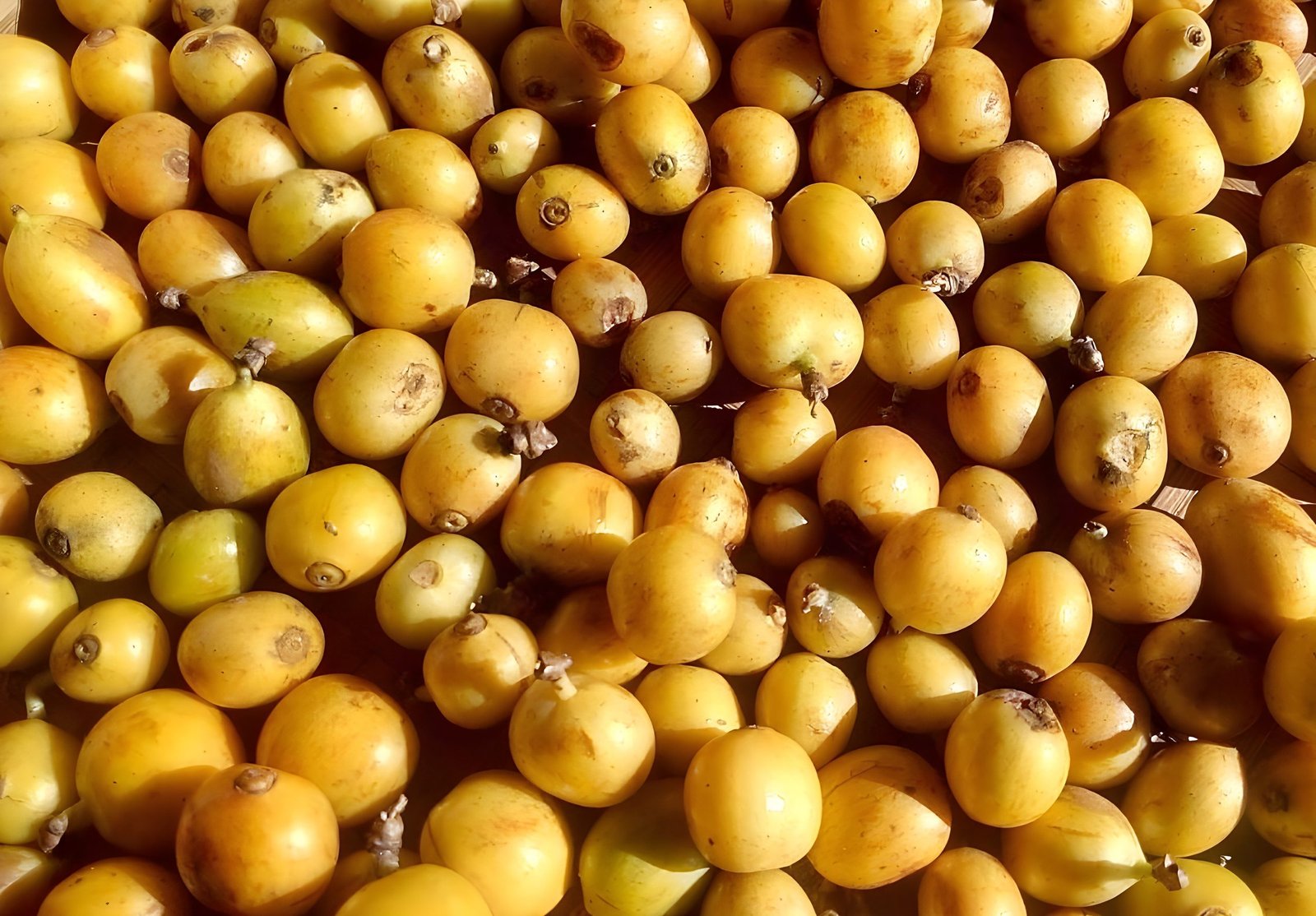
Although often grouped under the general term “Liberica,” the original Liberica variety is characterized by its exceptionally large, asymmetrical cherries and beans. In certain regions of Indonesia (such as Jambi and Riau), this coffee is known locally as “Kopi Liberika Tungkal” or “Kopi Jambi.”
B. Coffea charrieriana
Origin: Discovered in Cameroon, Central Africa.
Uniqueness: It is the only African coffee species that is naturally caffeine-free. The species was named in honor of the French botanist André Charrier. Due to its rarity and protected status, it has not been cultivated commercially for mass consumption.
C. Coffea stenophylla
Origin: Native to West Africa (Guinea, Sierra Leone, Ivory Coast).
Uniqueness: Often referred to as “lowland Arabica.” This species was thought to be extinct in the wild for several decades before being rediscovered. Notably, Stenophylla shares the heat tolerance of Robusta, yet its flavor profile—characterized by acidity and natural sweetness—rivals that of high-quality Arabica.
D. Coffea zanguebariae
Origin: Native to the coastal regions of East Africa (Tanzania and Kenya).
Uniqueness: This species is extremely drought-tolerant and grows in coastal scrublands. Its beans are rarely produced commercially due to the small size of the fruit and low yields; however, the species is frequently studied for its genetic resilience, which could prove valuable for the future of coffee cultivation.
E. Coffea eugenioides
Origin: A highland species native to East Africa (including the Democratic Republic of the Congo, Rwanda, Uganda, and Kenya).
Uniqueness: Coffea eugenioides is one of the genetic ancestors of Coffea arabica (which resulted from a natural hybridization between C. canephora and C. eugenioides in the distant past). Its fruits and beans are very small, and it has a low caffeine content. It offers a flavor profile that is exceptionally sweet and delicate, with notes reminiscent of marshmallow or vanilla. This coffee is beginning to gain attention within the high-end specialty coffee sector.
The introduction of Liberica and Robusta coffee to Indonesia during the Dutch colonial era served as a lifeline for the colonial agrarian economy. The arrival of these two coffee varieties was a direct response to a major catastrophe that struck coffee plantations across the Indonesian archipelago in the late 19th century.
The following is a historical account of how these two varieties were introduced to Indonesia:
The Introduction of Liberica Coffee (Coffea liberica)
Prior to the arrival of Liberica, the Dutch colonial government amassed great wealth through the Cultuurstelsel (Cultivation System), which relied heavily on Coffea arabica. However, between the 1870s and 1880s, a major disaster struck: an outbreak of coffee leaf rust (Hemileia vastatrix) devastated Arabica plantations across the lowlands and mid-altitudes of Java and Sumatra, nearly wiping out the entire crop.
Arrival in the Archipelago (1875): Through s’Lands Plantentuin (the Bogor Botanical Gardens), the Dutch colonial government began importing a more disease-resistant alternative from West Africa: Coffea liberica. These seeds were first imported and planted experimentally in 1875.
Dissemination & Cultivation Characteristics: Due to its robust nature and ability to thrive in low-lying areas—unlike the more demanding Arabica, which requires higher altitudes—Liberica was rapidly distributed across various regions in Java, Sumatra, and the Maluku Islands.
Regional Impact: Liberica coffee served as an economic savior for plantations in the lowlands of Sumatra (such as in Jambi, Riau, and Bengkulu) and parts of Java. To this day, this historical legacy persists through local traditions of processing Liberica coffee (such as Kopi Tungkal in Jambi). Nevertheless, the global popularity of Liberica was eventually eclipsed by that of Robusta, due to the former’s large bean size, thick skin, and more complex post-harvest processing requirements.
The Introduction of Robusta Coffee (Coffea canephora var. Robusta)
Recognizing that Liberica had certain drawbacks—namely, lower productivity and a lack of appeal to the broader global market—the Dutch colonial government sought a more resilient, high-yielding variety.
Arrival from the Congo: In the early 20th century (circa 1900–1907), the Dutch introduced the species Coffea canephora—commercially known as “Robusta” (derived from the word “robust,” meaning strong)—from the Congo region in Central Africa, facilitated by private companies and the Jardin Botanique de l’État à Bruxelles (State Botanical Garden in Brussels).
Research Center in Jember: The colonial government established strategic agricultural research centers in East Java; one of the most prominent was the Besoekisch Proefstation in Jember (founded in 1911). This research station served as a hub for testing, breeding, and acclimatizing Robusta seeds, as well as other varieties of tobacco and coffee. The Besuki region (Jember and its surroundings) proved to be one of the most suitable environments in the world for the cultivation of Robusta.
Large-Scale Replacement of Arabica: Due to its exceptional resistance to coffee leaf rust, its ability to adapt to low-to-mid-altitude environments (400–800 meters above sea level), and the fact that it is significantly easier to maintain than Arabica, Dutch-owned private plantations (onderneming) across Java and Sumatra shifted en masse to cultivating Robusta. In the 1920s, Robusta coffee came to dominate the total volume of coffee exports from the Dutch East Indies, saving the colonial coffee industry from total collapse following the outbreak that devastated Arabica crops, and laying the foundation for Indonesia’s position as one of the world’s largest producers of Robusta coffee to this day.
Colonial-era infrastructure—comprising large-scale plantations (ondernemingen) and research stations like the Besoekisch Proefstation in Jember—left behind a legacy of coffee-processing techniques in East Java. As these plantations came under the management of local communities—whether during the transition to independence or through generations of inherited practice—farmers across various regions of East Java (from the slopes of Mount Argopuro and the Ijen-Raung massif to Blitar and the lowlands of the Tapal Kuda or “Horseshoe” region) adapted and modified these post-harvest methods to suit the unique characteristics of Robusta and Liberica coffee.
Below is how local farmers in East Java have evolved their post-harvest processing methods for these two colonial-era coffee varieties:
The Evolution of Post-Harvest Processing for Robusta Coffee
Robusta was once often dismissed as a mere “mass-market” commodity, typically processed using rudimentary techniques—standard “full-wash” or basic “dry/natural” methods—prioritizing quantity over quality. In recent decades, however, local farmers and producers of “specialty Robusta” in East Java have revolutionized these processing methods:
The Implementation of Natural and Honey Processes with Strict Curation:
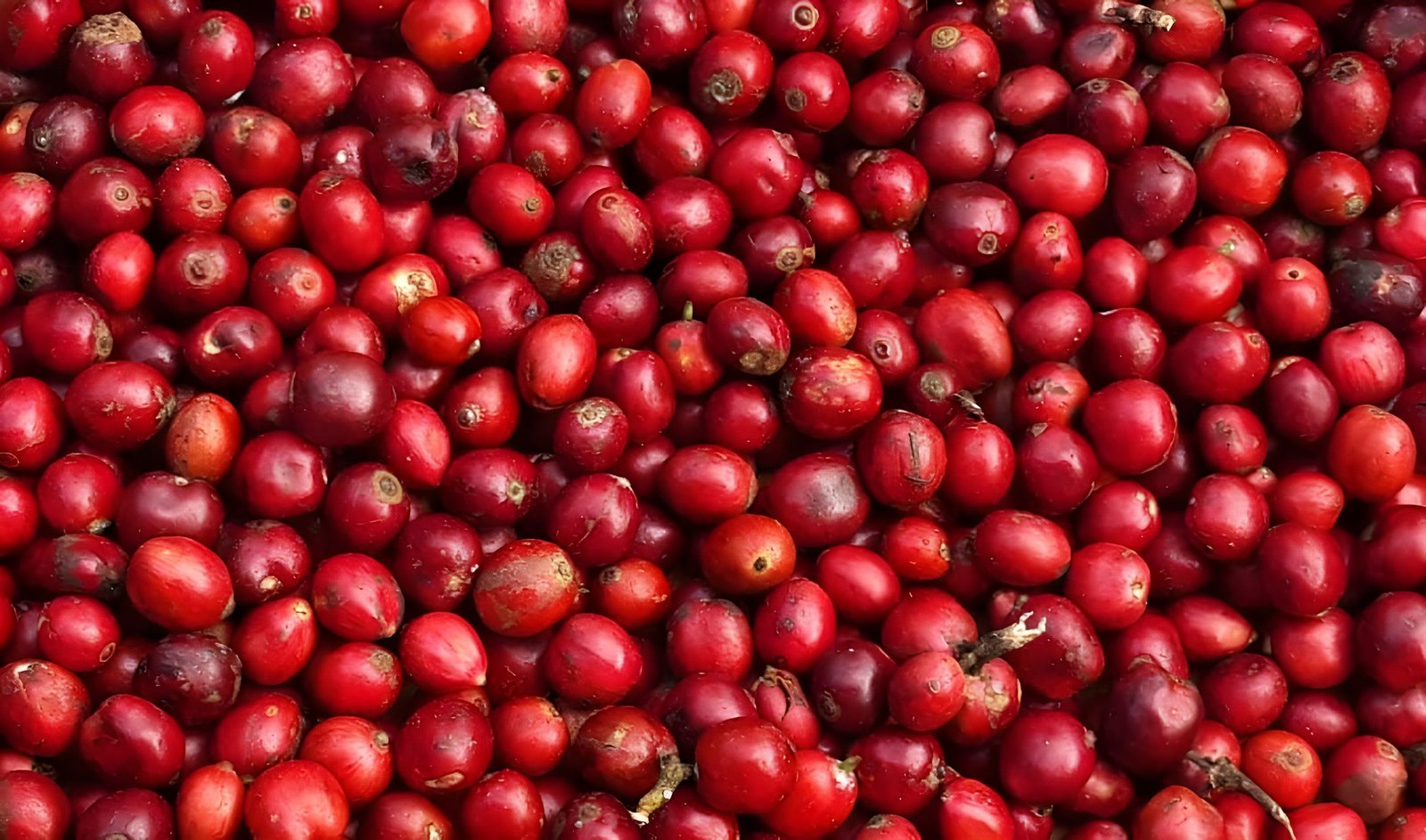
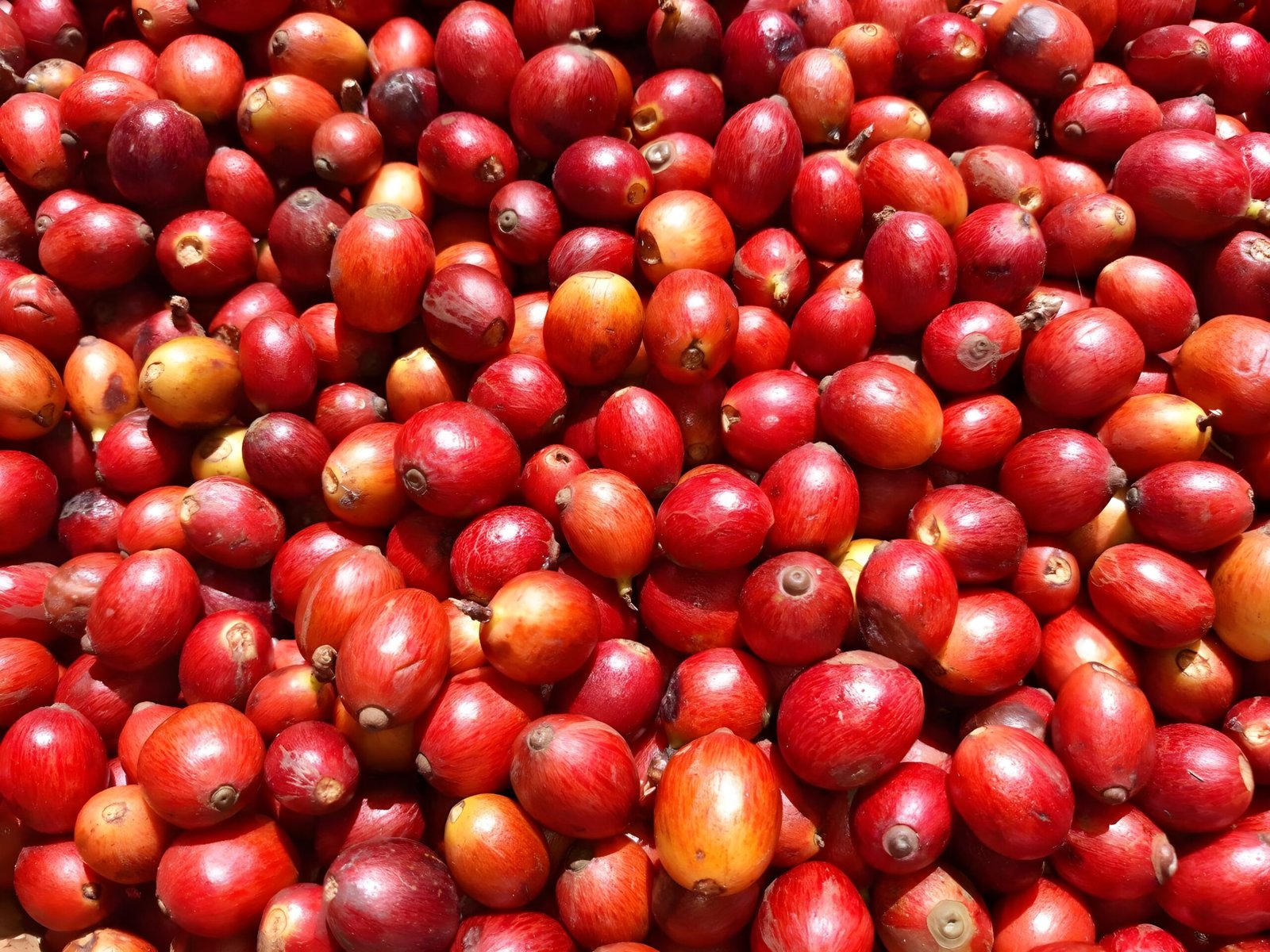
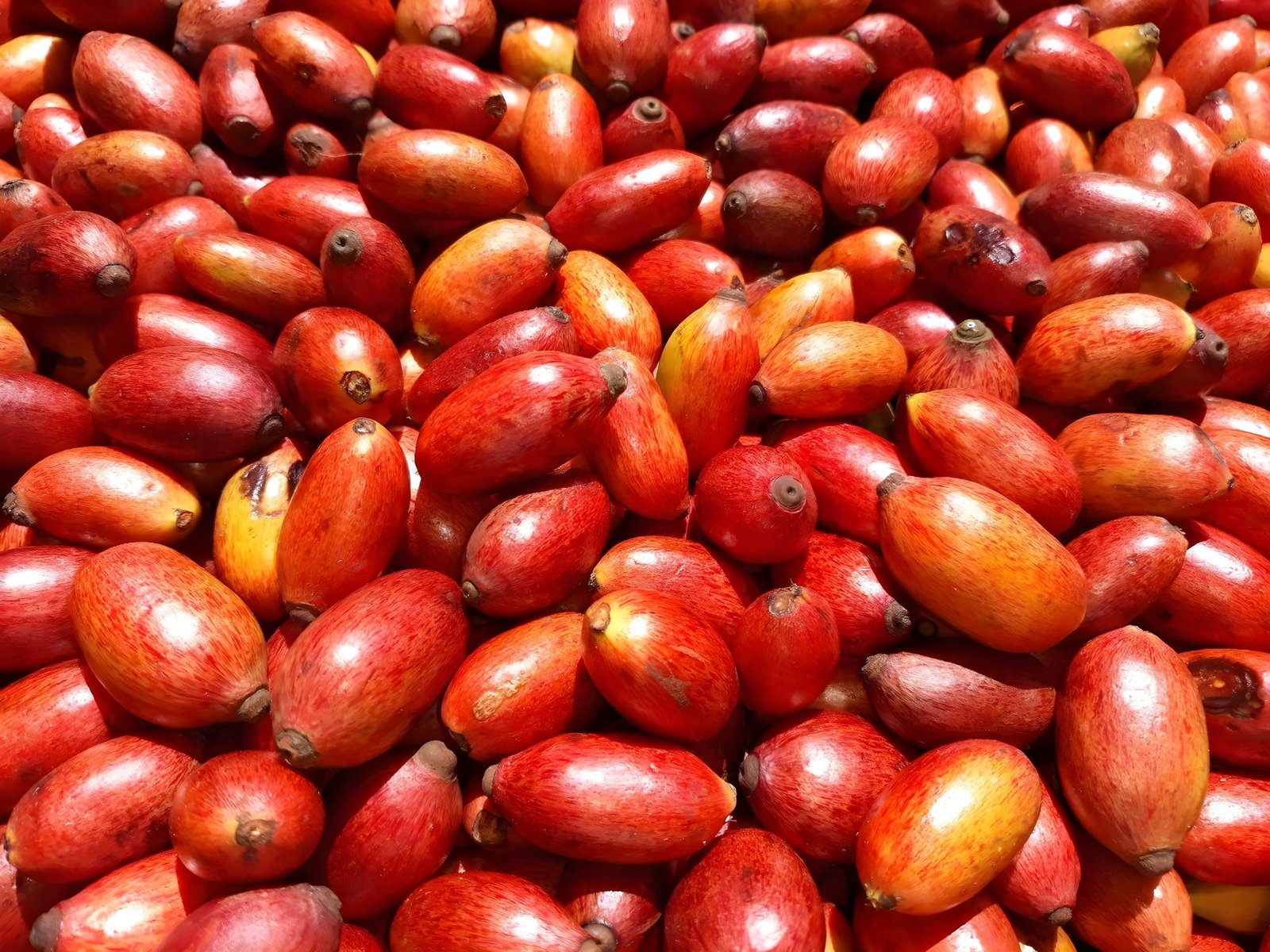
Previously, the “natural” method simply involved drying coffee cherries on the bare ground or on tarps. Today, local farmers practice selective harvesting—picking only cherries that are deep red (fully ripe). These cherries then undergo fermentation (such as anaerobic or carbonic maceration, or slow natural drying) on raised beds lined with mesh netting to ensure proper air circulation. As a result, the harsh, bitter notes are tempered, revealing a flavor profile characterized by ripe dark cherries, spices, and a subtle hint of palm sugar. * Microbial Fermentation Experiments (Controlled Fermentation):
Farmers in the border regions of coffee plantations in East Java have begun adopting controlled fermentation techniques—regulating both temperature and duration (such as 48–72 hour wet fermentation or anaerobic washing). This approach challenges the stigma that Robusta coffee is inherently one-dimensional, instead imbuing it with a complex, full body, free from excessive “muddy” or “earthy” off-notes.
Adapting Post-Harvest Processing for Liberica Coffee
Liberica coffee presents unique morphological challenges: large cherries, thick skins (exocarp), thin pulp (mesocarp), and hard, asymmetrical beans. Standard processing methods—a legacy of the colonial era—often leave Liberica beans prone to defects or a musty odor if handled incorrectly. Local farmers have devised solutions rooted in indigenous knowledge:
Modified Wet-Hulling Techniques:
In line with traditional Indonesian processing methods, many farmers remove the coffee cherry skin and parchment while the beans still retain a specific moisture content (i.e., while they are still wet or semi-dried). For Liberica, this technique is carefully adjusted to ensure that the thick layer of mucilage does not decompose against the parchment—a process that would otherwise compromise the coffee’s signature jackfruit-like aroma.
Manual Pulping and Slow-Drying Innovations:
Due to the non-uniform size of the cherries, local farmers often sort them by hand before processing them through simple, locally-made pulping machines. The drying process is carried out under shade netting or within small greenhouse-like structures (“dome dryers”) to extend the drying period, which can take anywhere from two to three weeks. This slow-drying process effectively locks in the internal moisture of the dense Liberica beans, resulting in a cleaner, sweeter flavor profile with elegant notes of cinnamon and ripe jackfruit.
Cross-Commodity Processing Expertise
A distinctive feature of farmers in East Java—particularly in the Besuki Raya region—is the integration of coffee cultivation within an ecosystem that includes other plantation crops, such as tobacco and cacao. Their extensive experience in handling the post-harvest processing of tobacco leaves—a task requiring precise control over temperature and humidity—has fostered a meticulous approach among local farmers toward the curing and drying of Robusta and Liberica coffee beans.
The synergy between inherited, colonial-era knowledge and modern processing techniques has successfully elevated East Javanese Robusta and Liberica coffee from mere mass-market plantation commodities into artisanal products, earning them recognition within both the national and global specialty coffee landscapes.
COFFEE SOMMELIER STORY
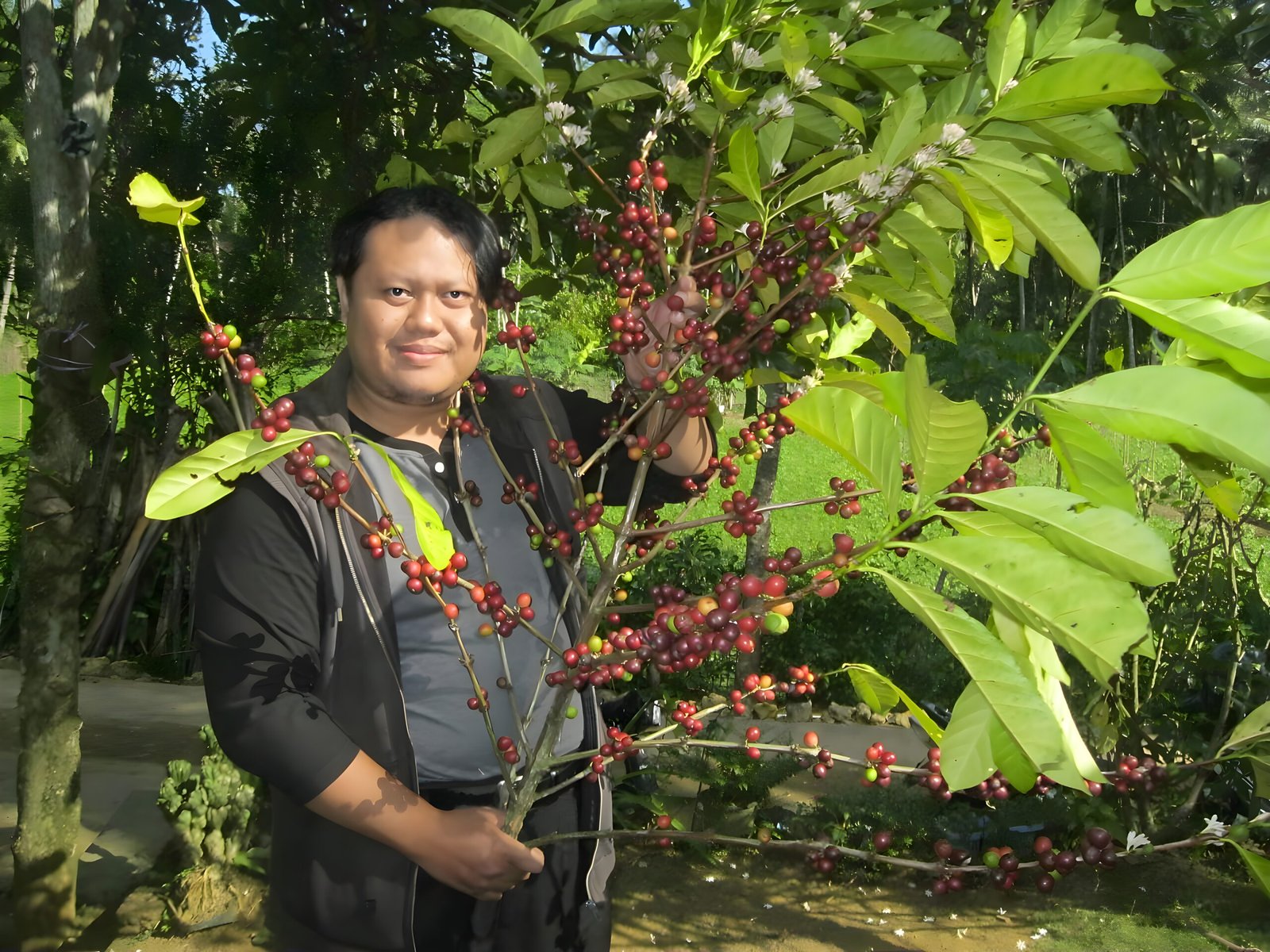
“Guyub Kopi dan Kakao Pacitan” (Pacitan Coffee and Cacao Collective) serves as both a community hub and a grassroots economic empowerment movement. It focuses on developing the full potential—from upstream to downstream—of local plantation commodities, specifically coffee and cacao, in Pacitan Regency, East Java.
This initiative is driven by Eko Suryo Putro, who is widely recognized in the realm of cultural literacy and as a collector and advocate of Indonesian gemstone art, known by his pen name or persona, “Mas Picis Rojobrono.”
The following is an in-depth look at the movement’s profile, the founder’s background, and the strategic role of Guyub Kopi dan Kakao Pacitan:
1. Founder Profile : Eko Suryo Putro (Mas Picis Rojobrono)
Background & Persona : Eko Suryo Putro—better known by his identity, “Mas Picis Rojobrono”—first gained national prominence as a key figure during the heyday of Indonesian gemstones and agates (circa the 2010s). He was instrumental in introducing and naming various gemstones from Pacitan, such as the “King Keladen Chalcedony” (Golden Supreme). The term “Mas Picis Rojobrono” itself is derived from ancient Javanese philosophy, symbolizing treasure, material wealth, or highly valuable commodities.
Transition to the Agricultural & Craft Sectors : Driven by a profound love for his birthplace and the natural potential of Pacitan, Eko Suryo Putro shifted his focus toward the agricultural and smallholder plantation sectors. He has integrated the meticulous aesthetic sensibility—which he once applied to gemstone art and craftsmanship—into the management of key agricultural commodities, namely coffee and cacao.
2. Vision and Role of “Guyub Kopi dan Kakao Pacitan”
This movement was established to address a classic challenge faced by local farmers: how to elevate the market value of local commodities—moving beyond selling them merely as raw materials toward creating added value through quality curation, proper post-harvest processing, and modern branding.
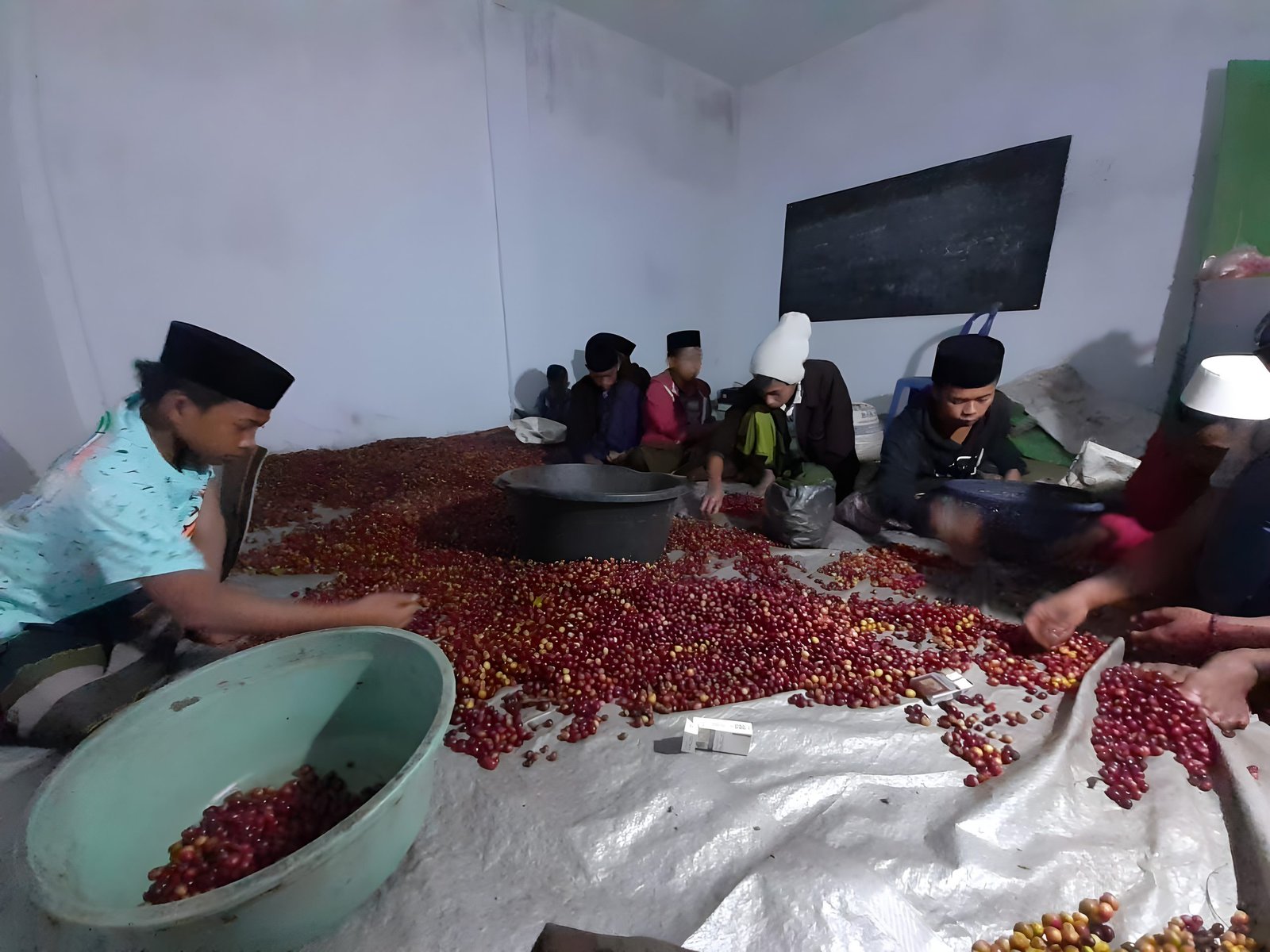
Farmer Education from the Source: “Guyub Kopi” actively supports local farmers across various plantation hubs in Pacitan—such as those in the hilly and mountainous regions—in implementing selective harvesting (picking only red, ripe cherries), hygienic drying methods, and sustainable farm management.
Synergy in Downstream Development & Technology Utilization : The community serves as a driving force for collaboration among farmers, small-to-medium enterprises (SMEs) in coffee processing, and local government—which provides facilities such as communal modern roasting machines—to ensure that Pacitan’s coffee products are ready to compete in both regional and national specialty coffee markets.
A Cultural & Craftsmanship-Oriented Approach : Embodying the spirit of “guyub” (togetherness/communal harmony), the approach goes beyond a purely business-oriented focus by highlighting the region’s cultural narrative. The flavor profile of Pacitan coffee—cultivated in mineral-rich, karst-laden hilly terrain—is translated into an authentic product identity that reflects the robust character of Pacitan’s own landscape.
Through “Guyub Kopi dan Kakao Pacitan,” Eko Suryo Putro has successfully bridged the gap, enabling Pacitan’s agricultural wealth to command greater market leverage and stand on equal footing with other renowned coffee-producing regions across the Indonesian archipelago.
We Serve
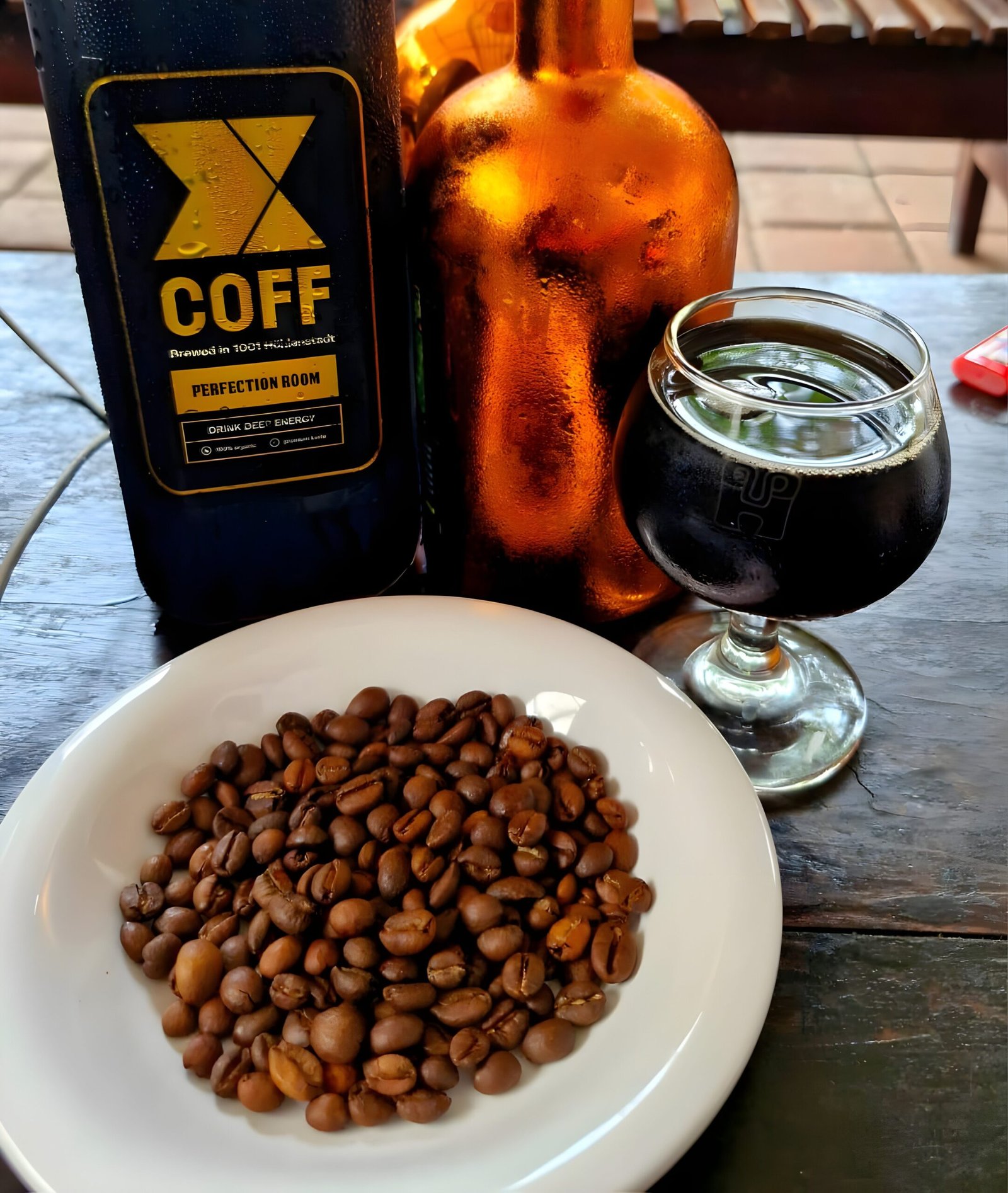
It isn’t just coffee. We serve a variety of refreshments, “100% Organic, 100% Pure Coffee, Zero Compromise, Infinite Flavor.” and make sure you get the best experience with us.
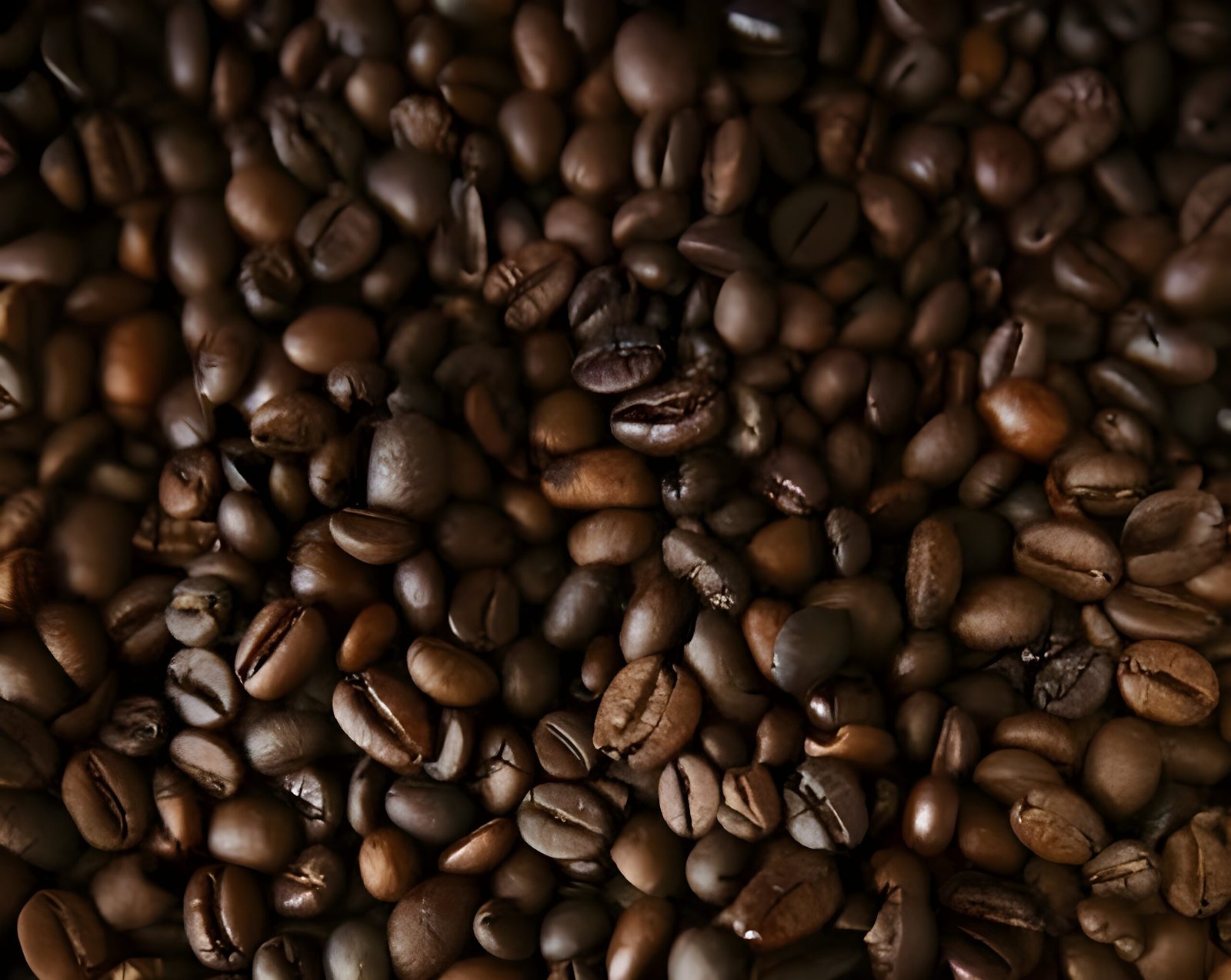
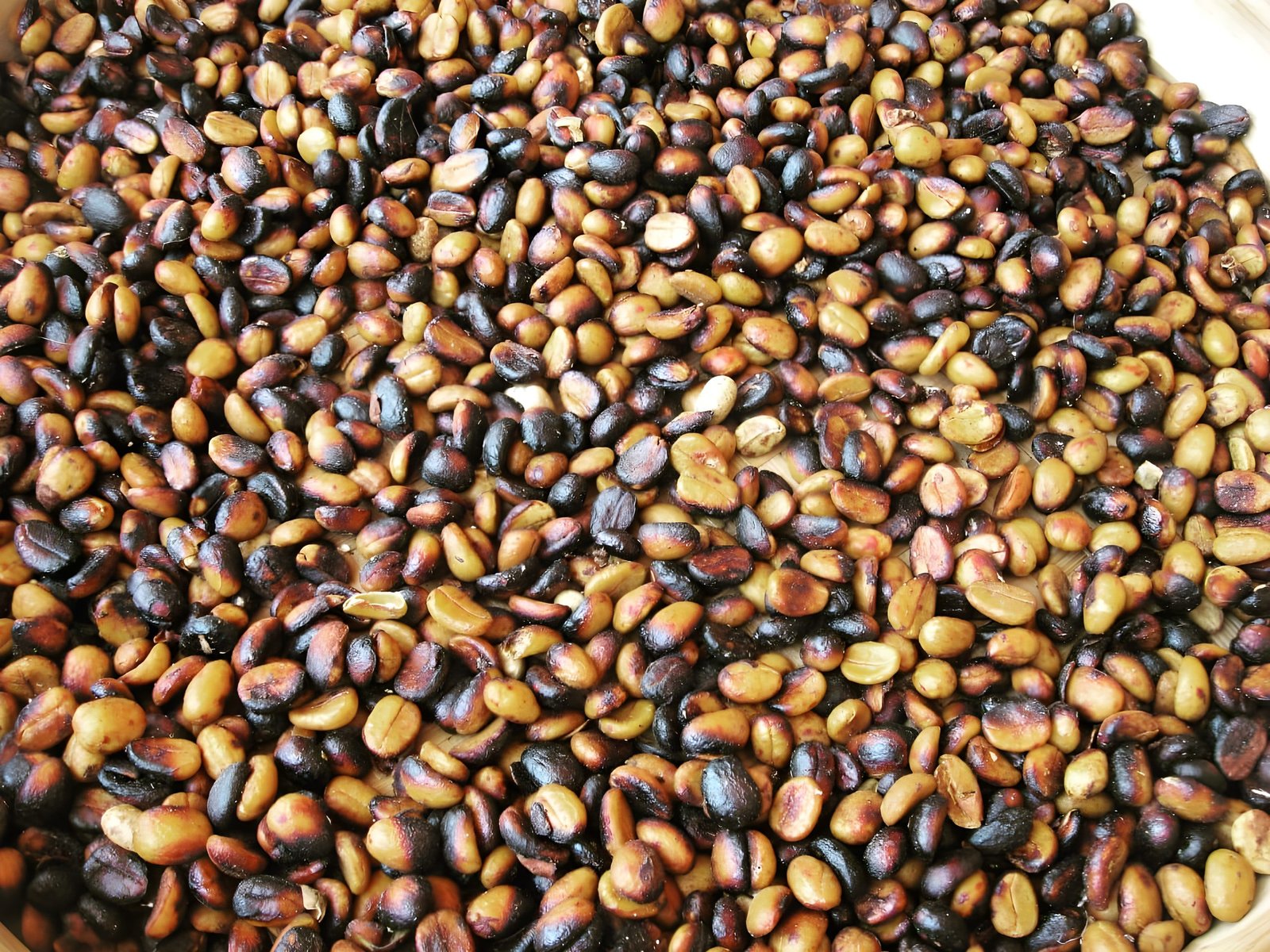
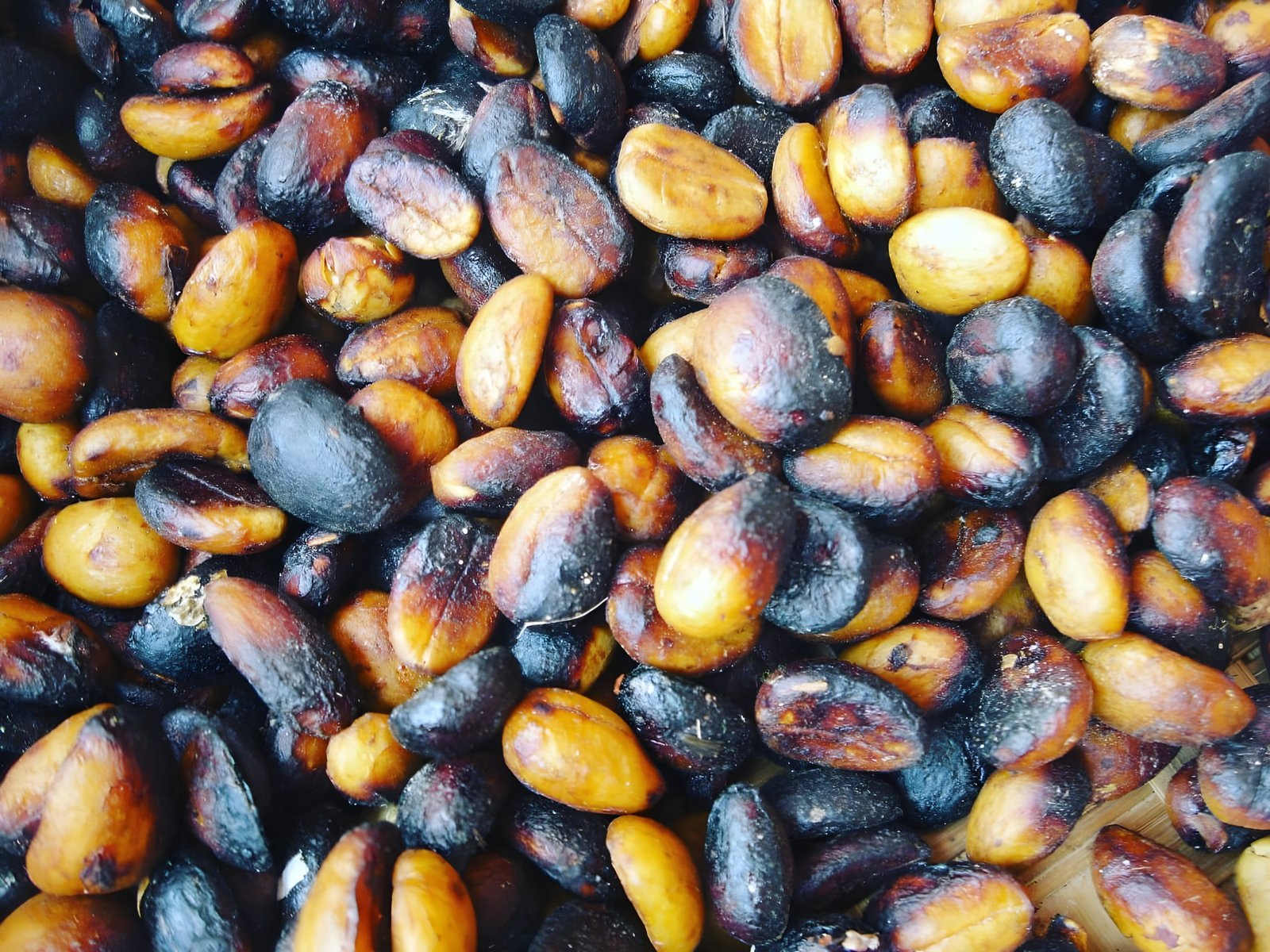
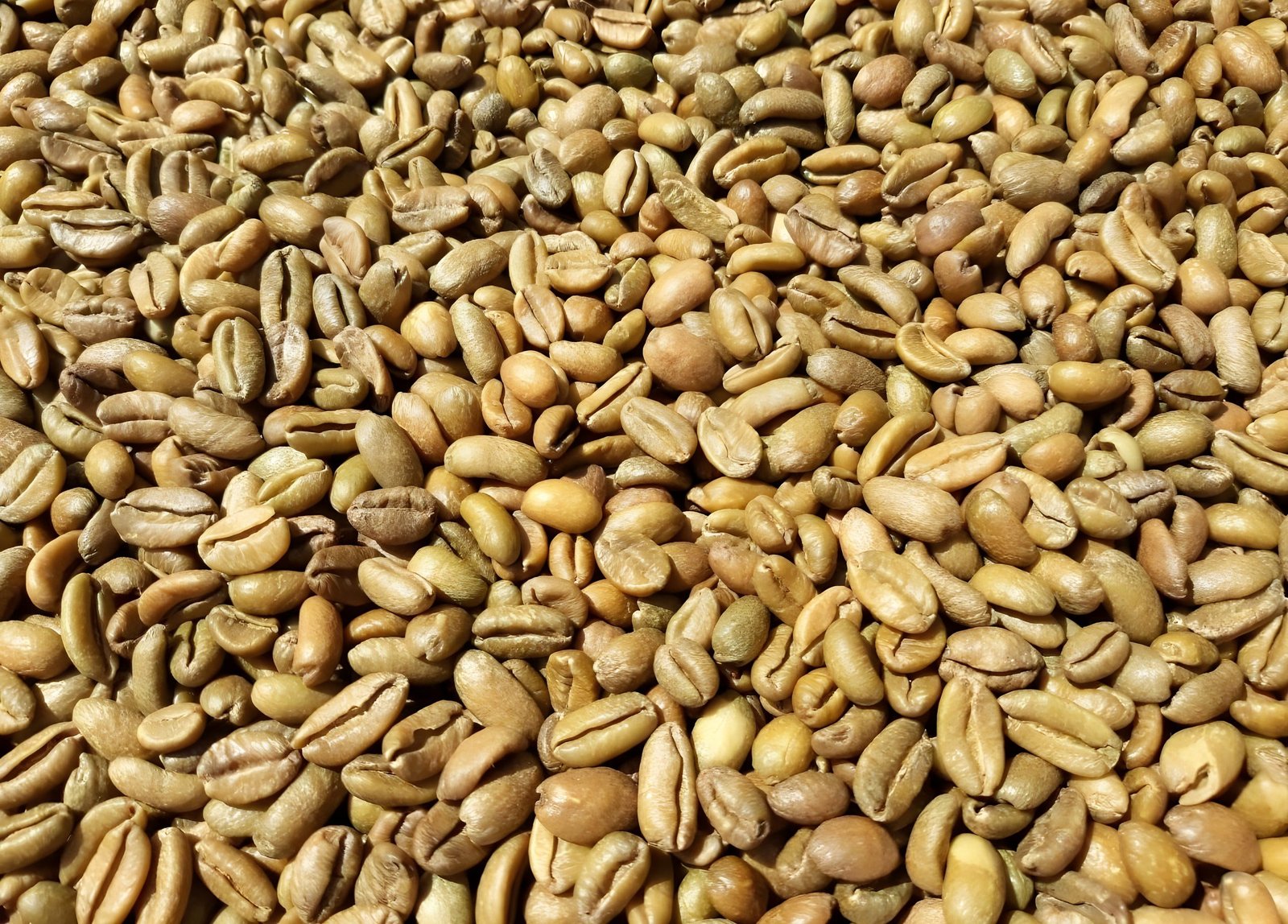
Arabica Coffee Beans
Biji Kopi Arabika
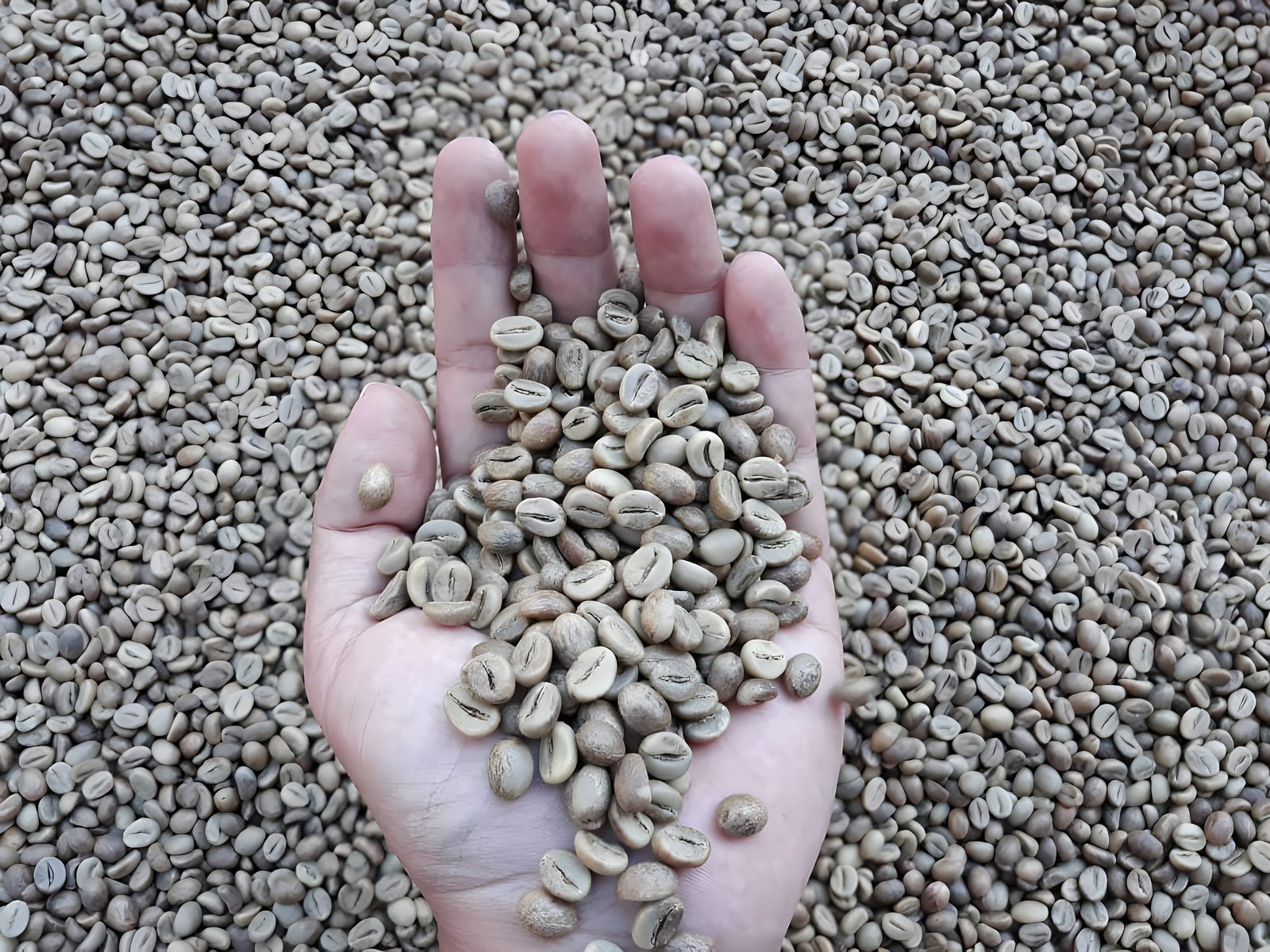
Robusta Coffee Beans
Biji Kopi Robusta
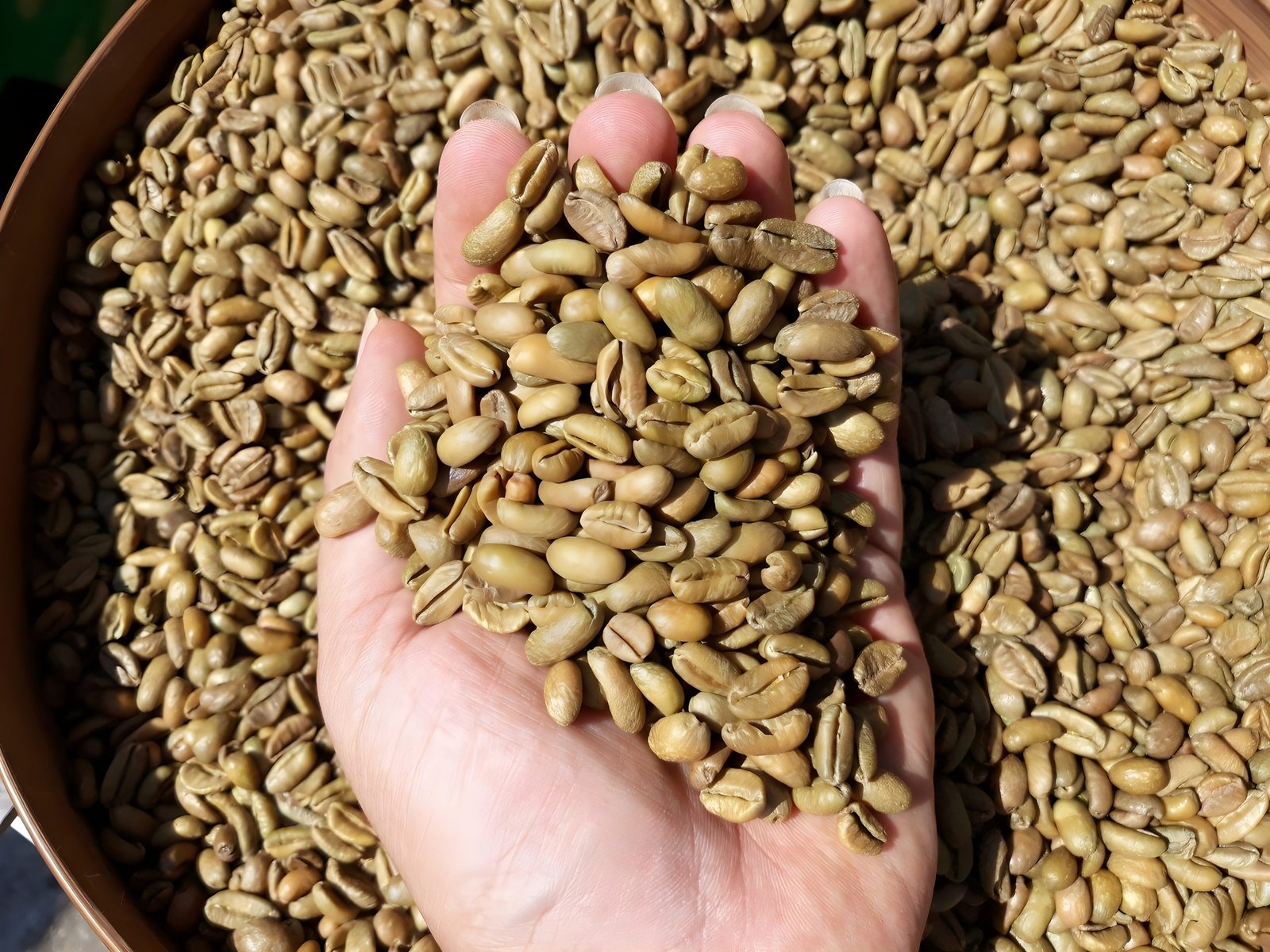
Liberica Coffee Beans
Biji Kopi Liberika
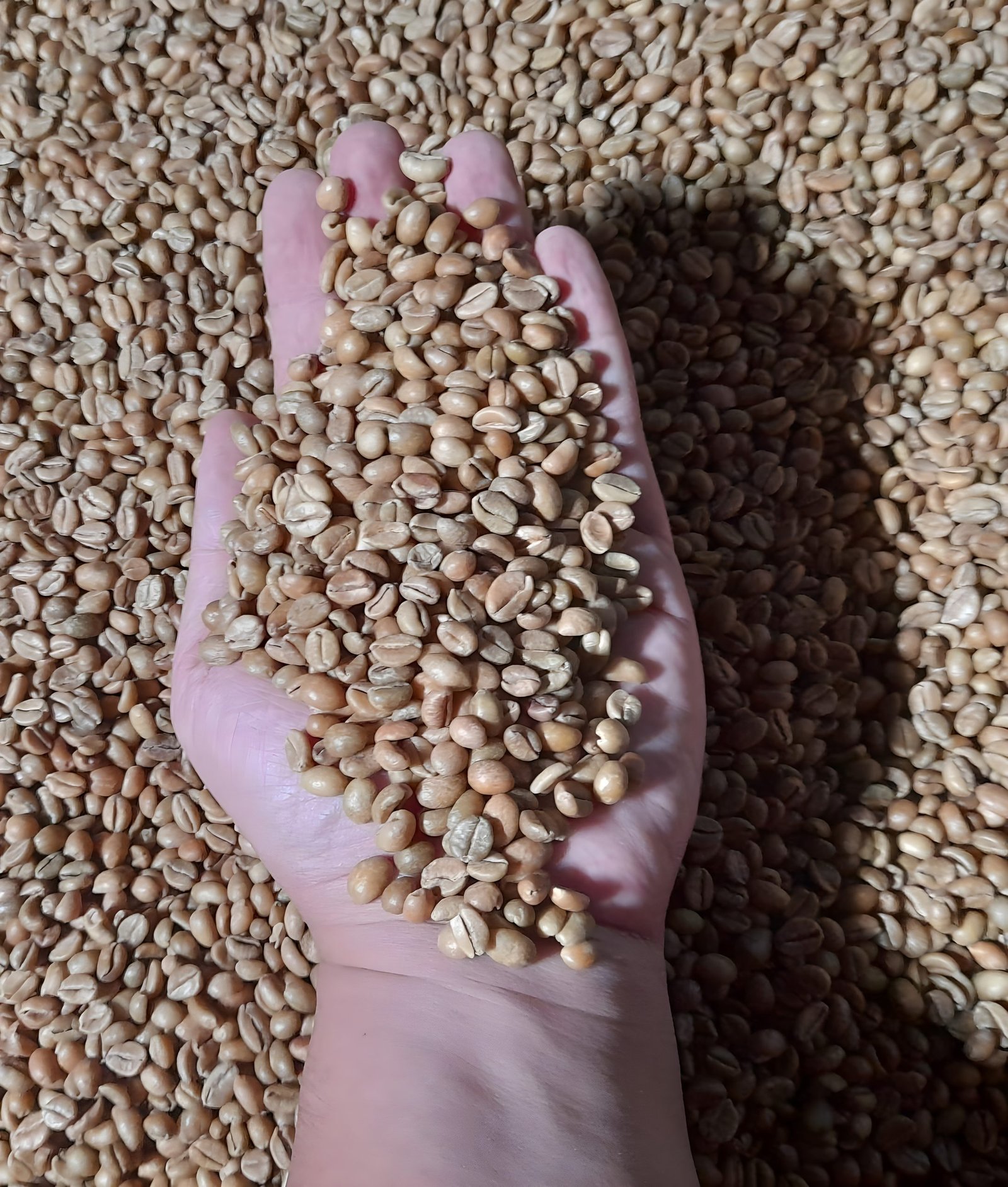
Excelsa Coffee Beans
Biji Kopi Excelsa
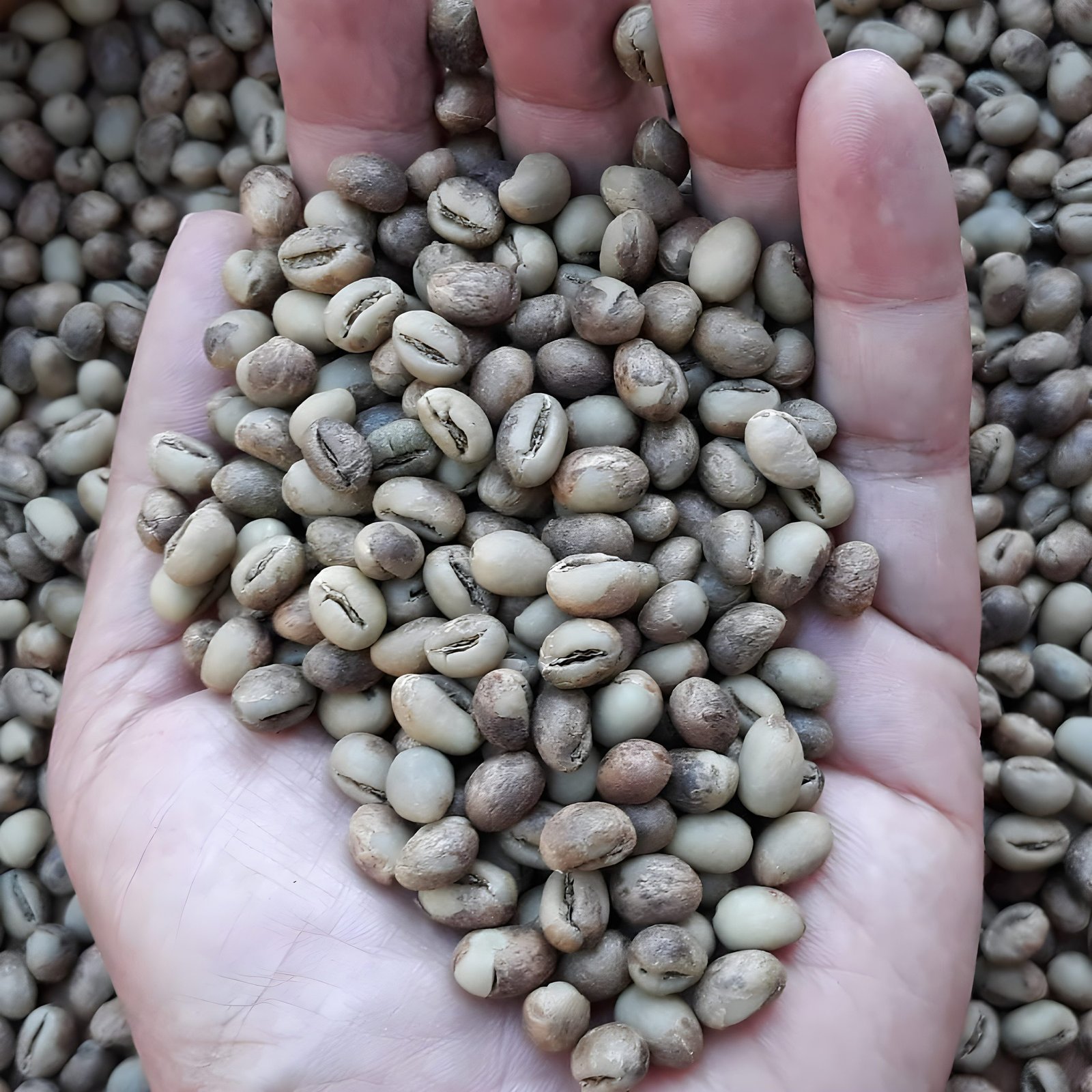
Peaberry Coffee Beans
Kopi Lanang
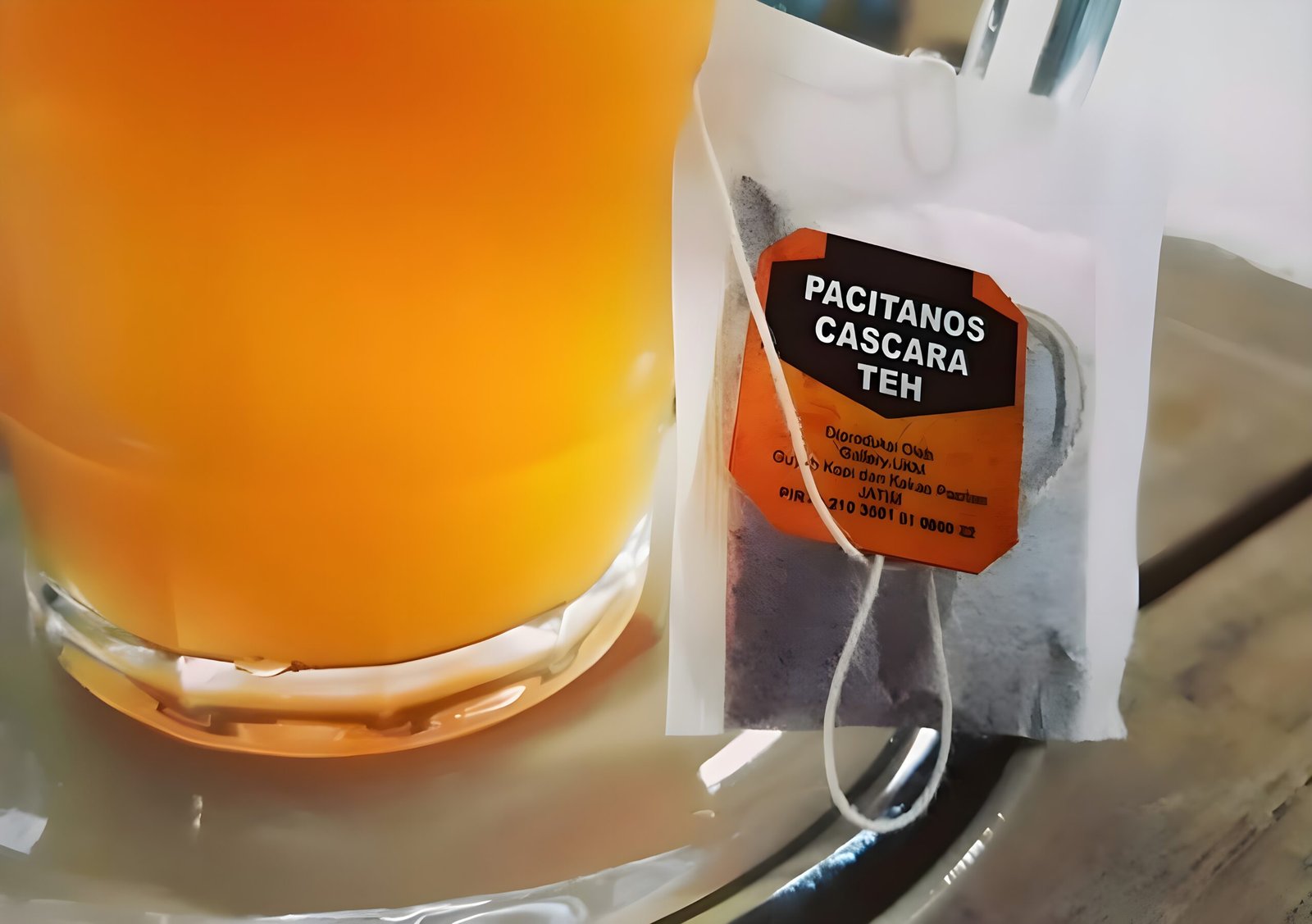
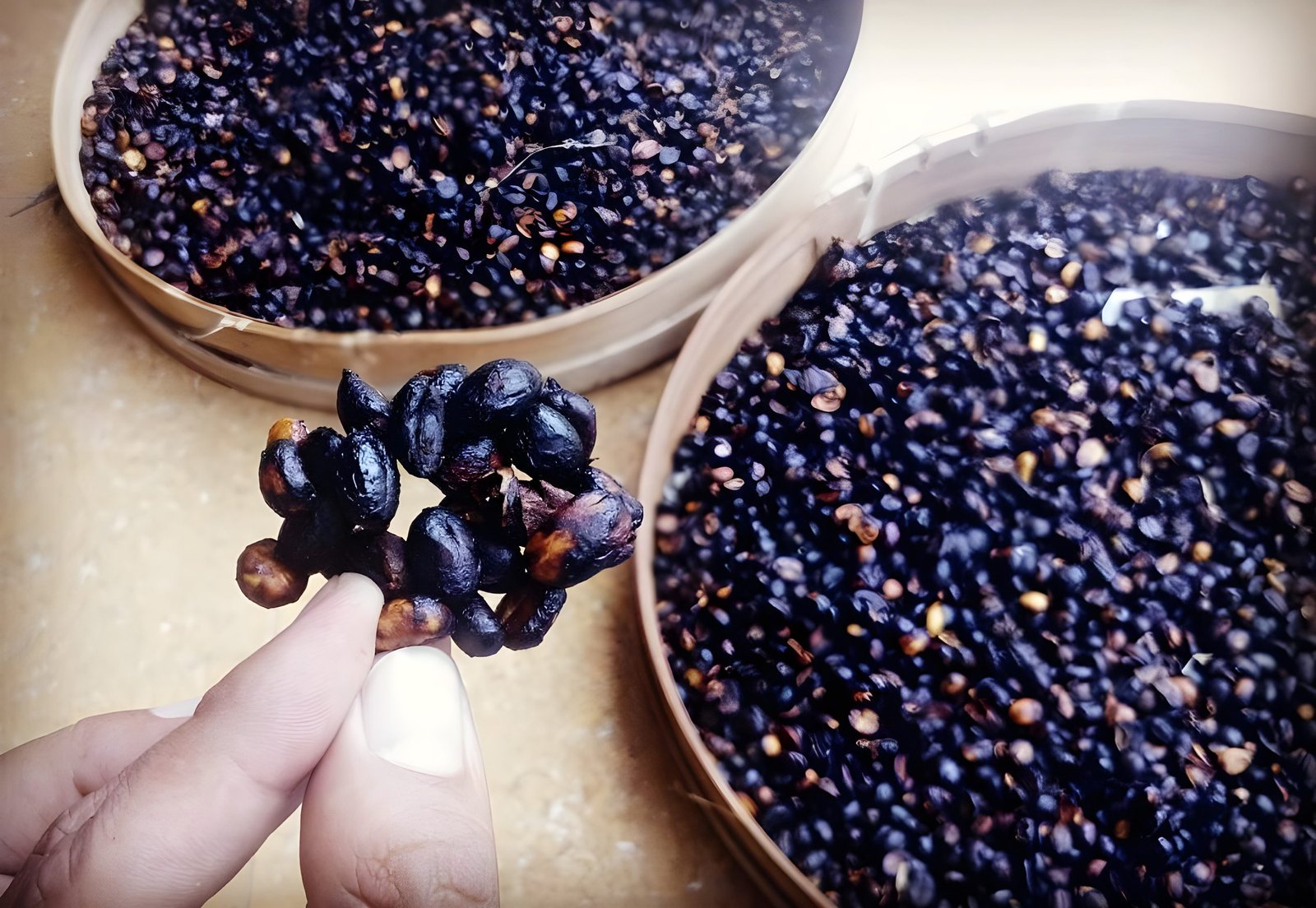
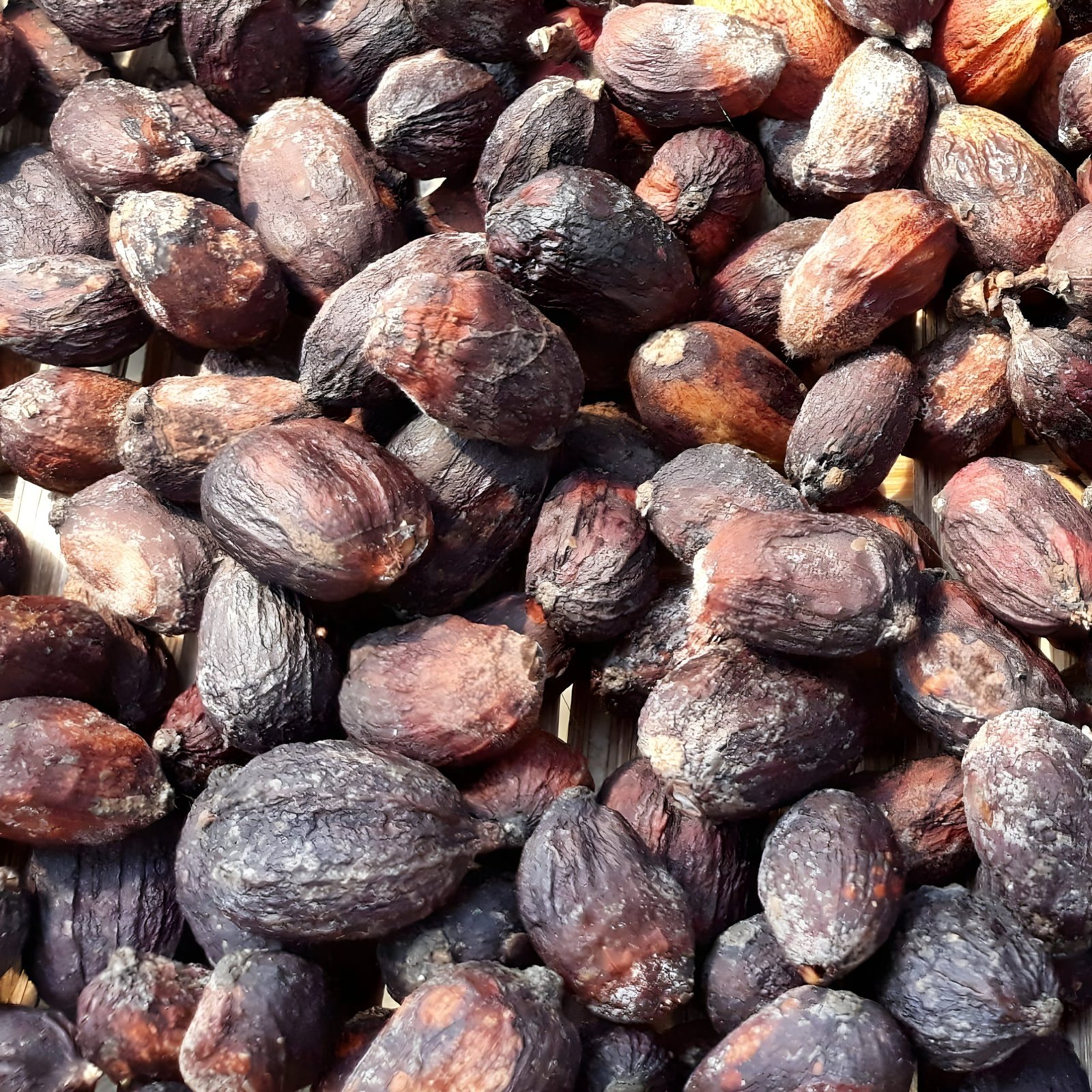
Cascara Tea
Teh Cascara
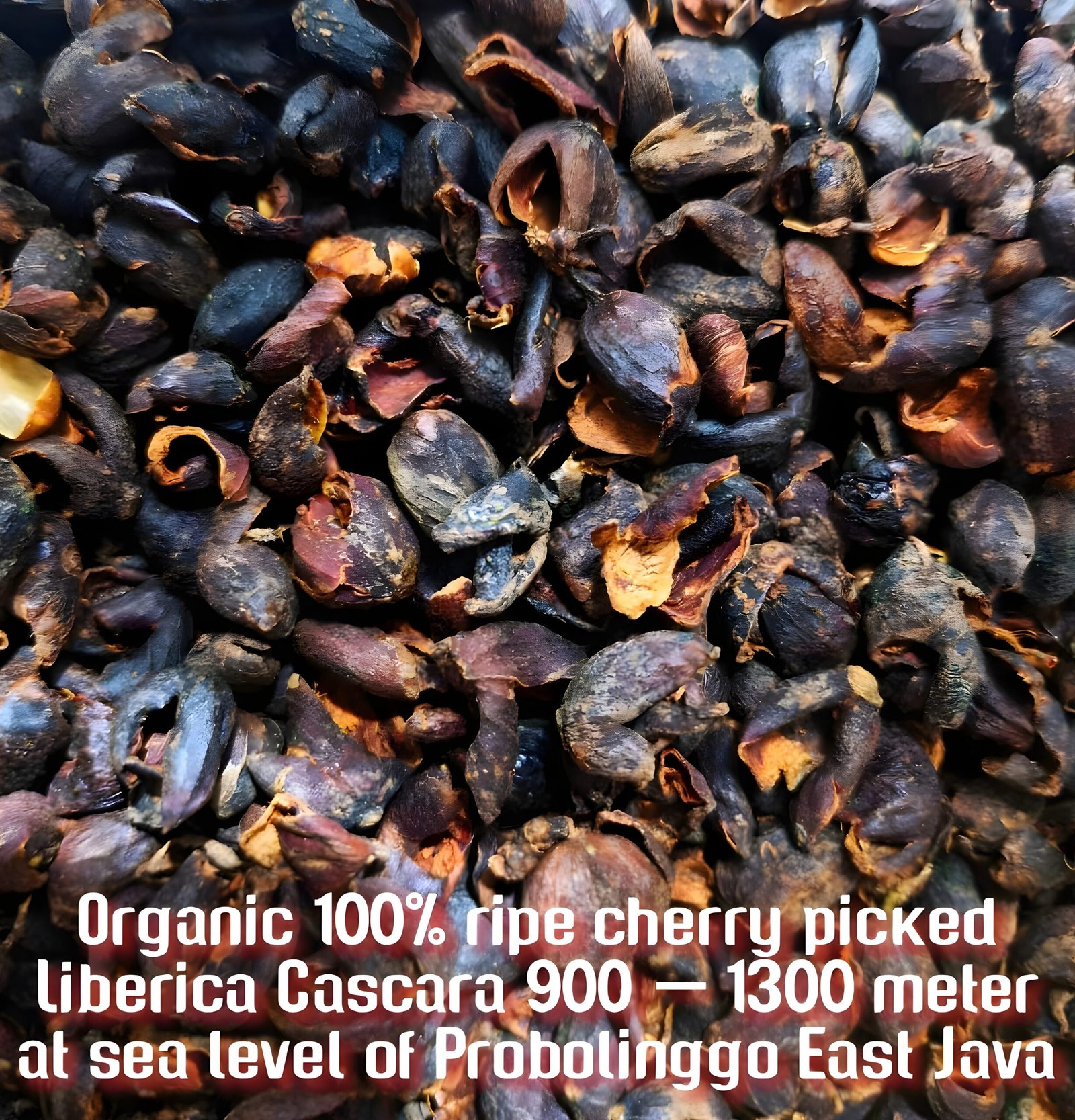
Liberica Cascara Tea
Teh Cascara Liberika
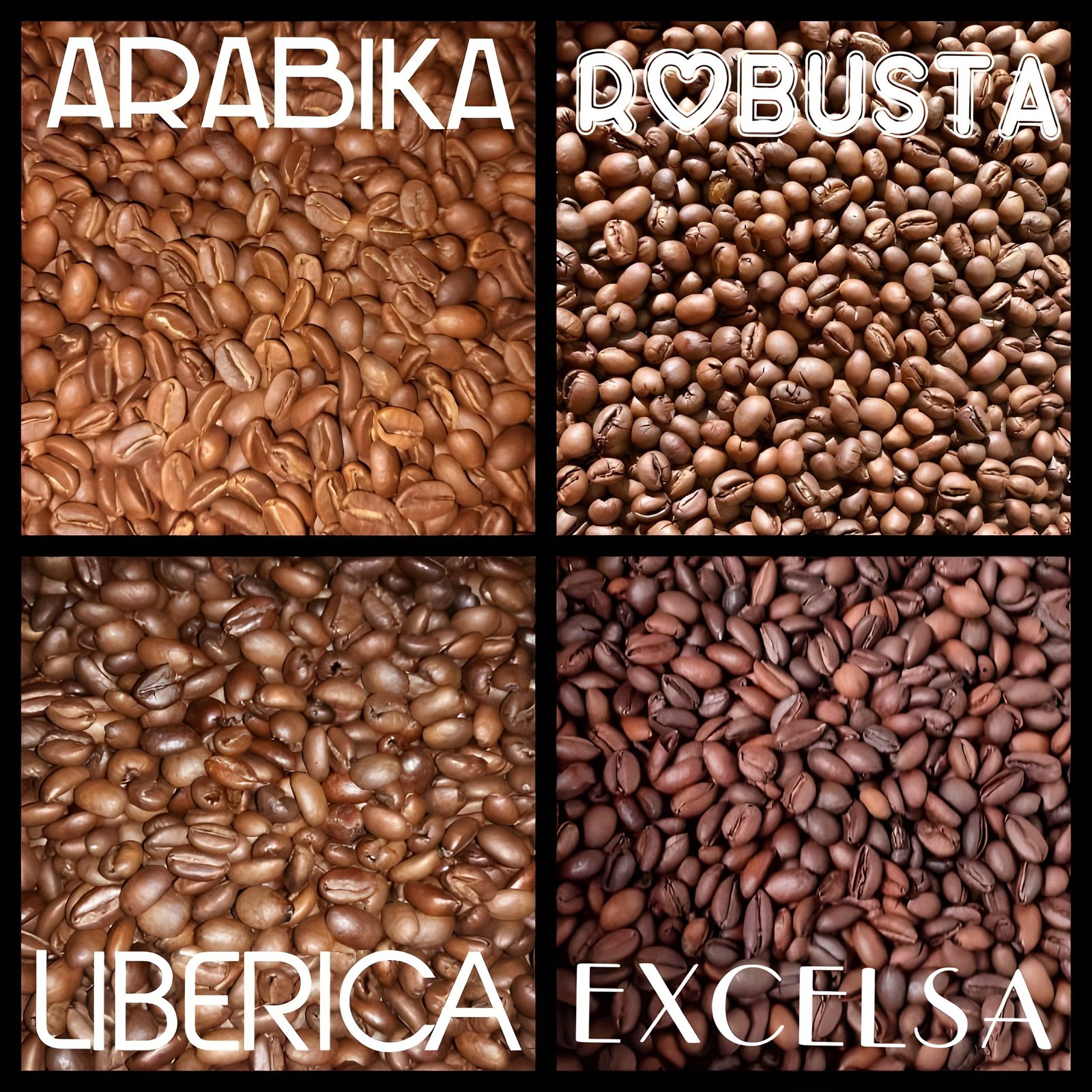
Arabica, Robusta, Liberica, Excelsa Coffee Beans
Biji Kopi Arabika, Robusta, Liberika, Excelsa
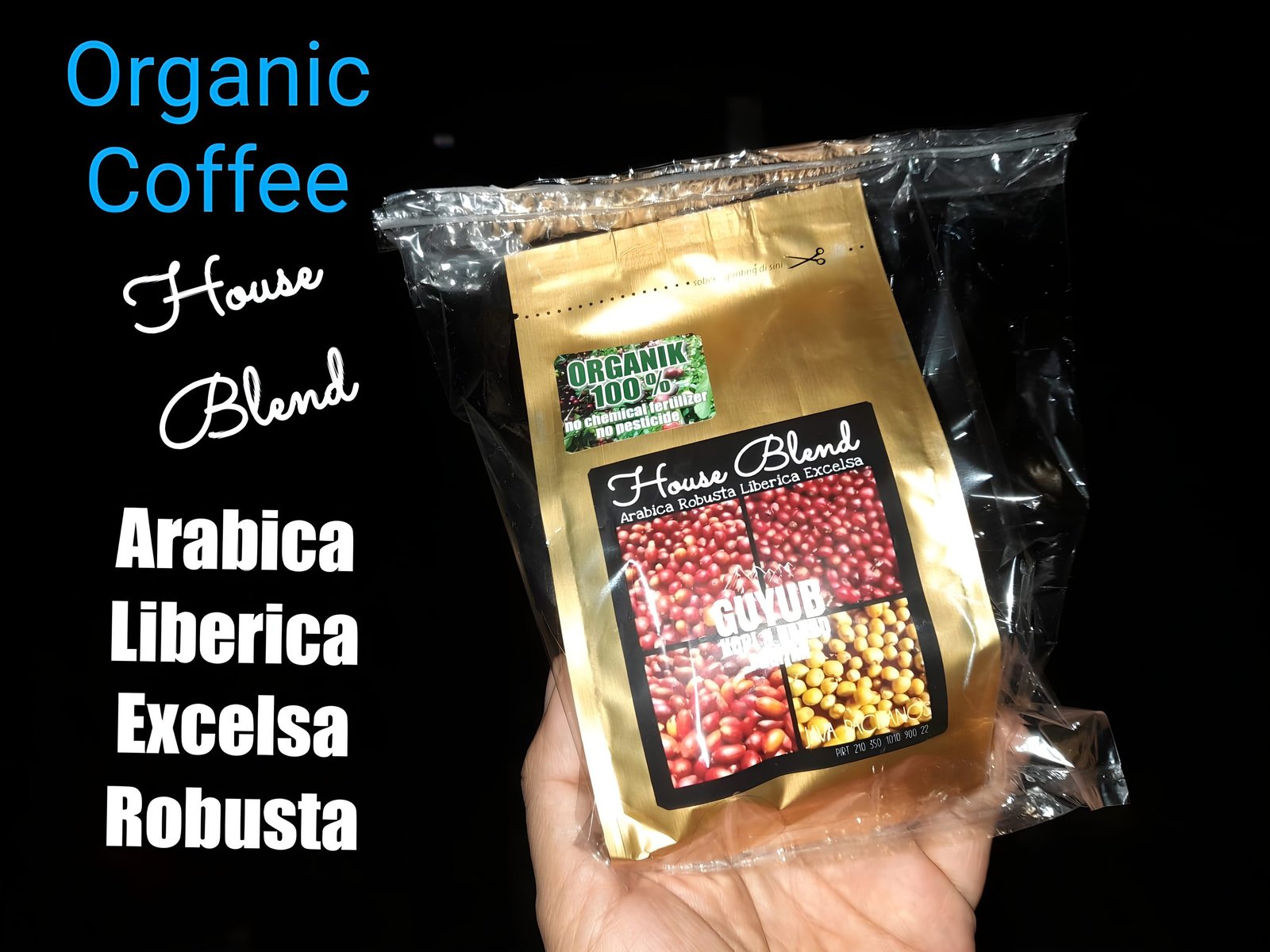
Organic Coffee House Blend of Arabica-Liberica-Excelsa-Robusta
Campuran Khas Kopi Organik Liberica-Arabica-Excelsa-Robusta
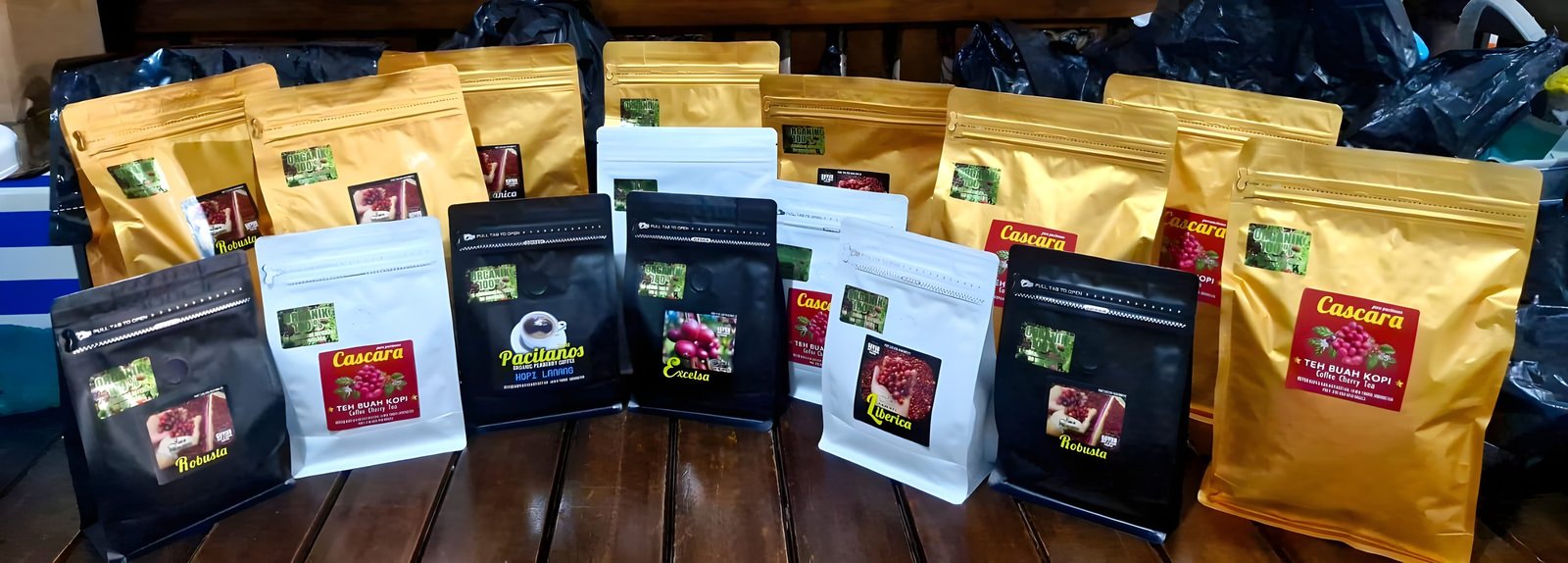
100% Organic Cascara Tea & Liberica-Arabica-Excelsa-Robusta Ground Coffee
100% Organik Teh Cascara & Bubuk Kopi Liberika-Arabika-Excelsa-Robusta
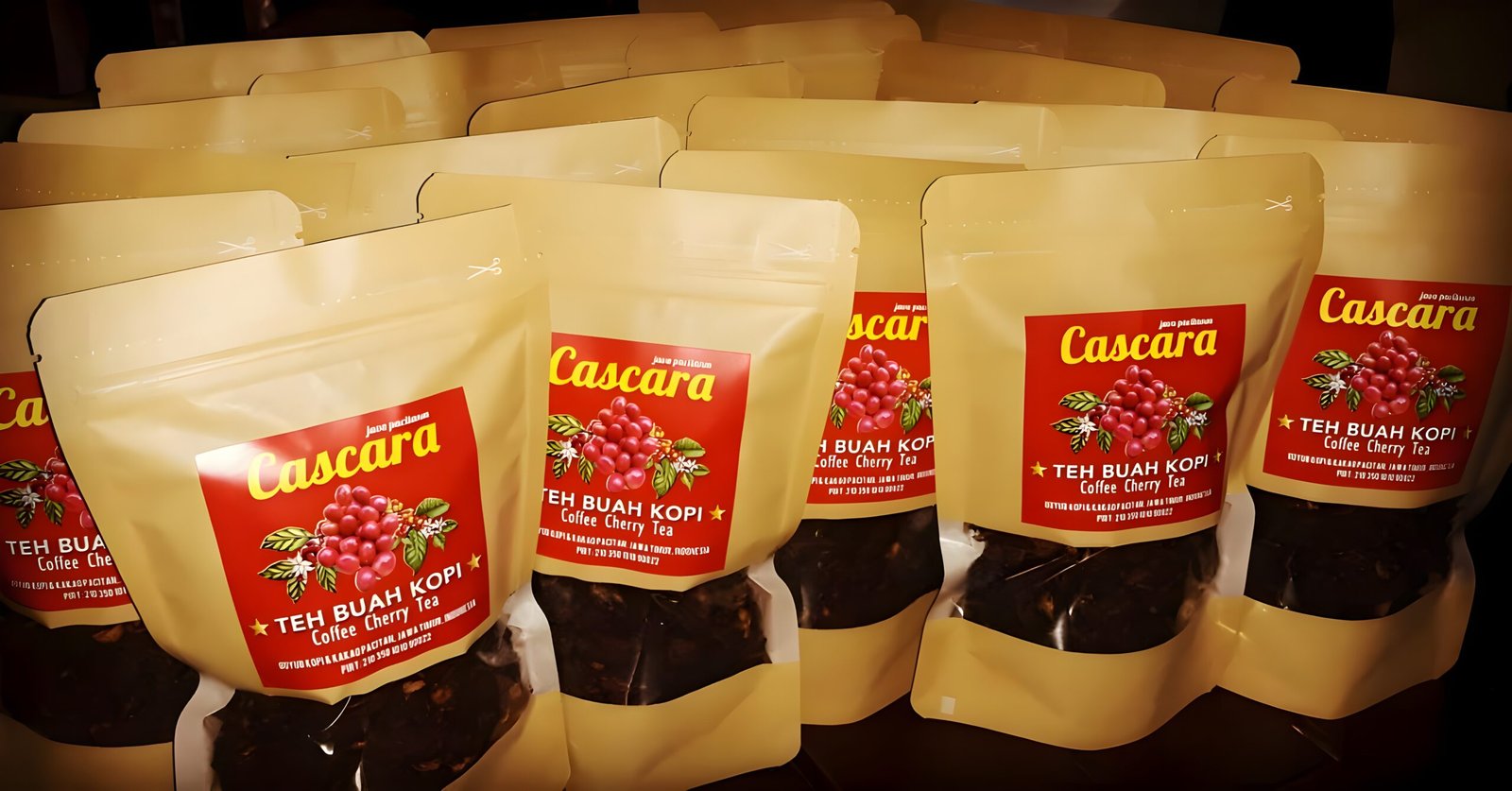
Robusta Cascara Tea
Teh Cascara Robusta
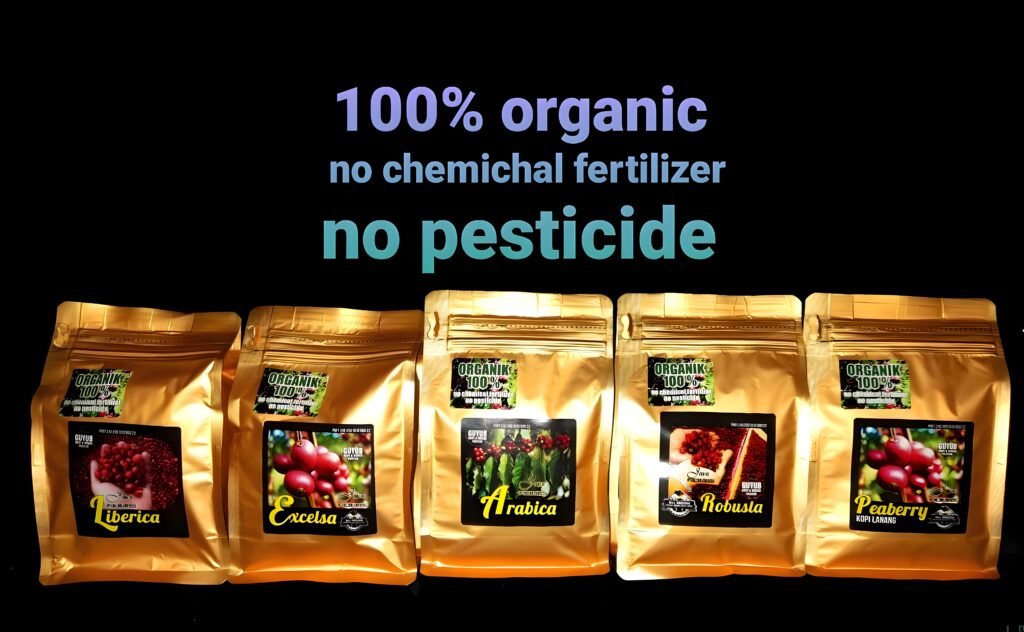
100% Organic Excelsa, Liberica, Robusta, Arabica, Peaberry Ground Coffee
100% Organik Bubuk Kopi Excelsa, Liberika, Robusta, Arabika
Join Our Coffee Lovers Club to Get Exclusive Discounts.
Our Coffee Fans Speak!
“100% Organic, 100% Pure Coffee.”

Carlos
(Coffee Enthusiast, Spain)
“Purely natural, authentic to the taste.”
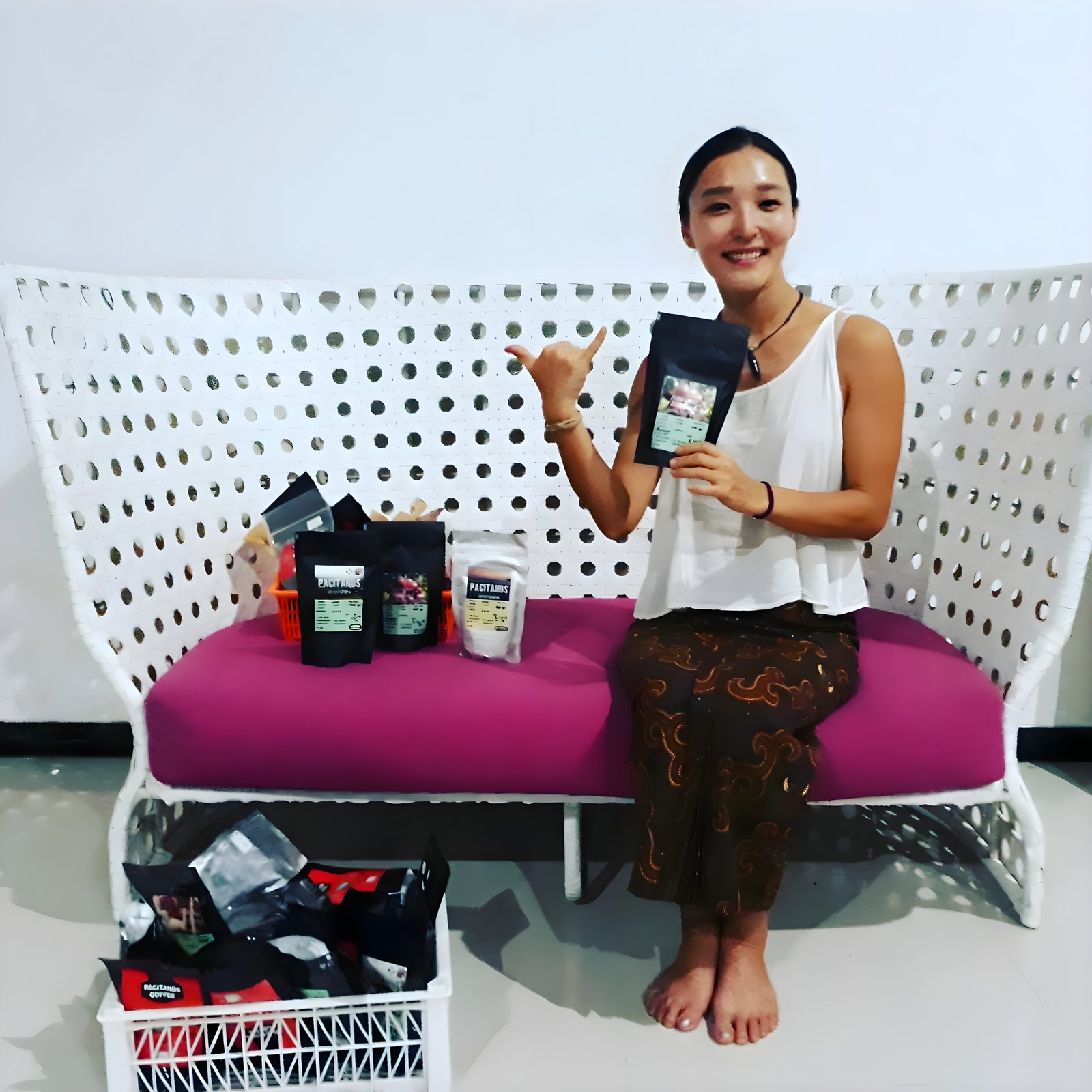
Julia
( Sustainable Living Blogger, Japan)
“A true harmony of four varieties, perfectly in tune with nature.”
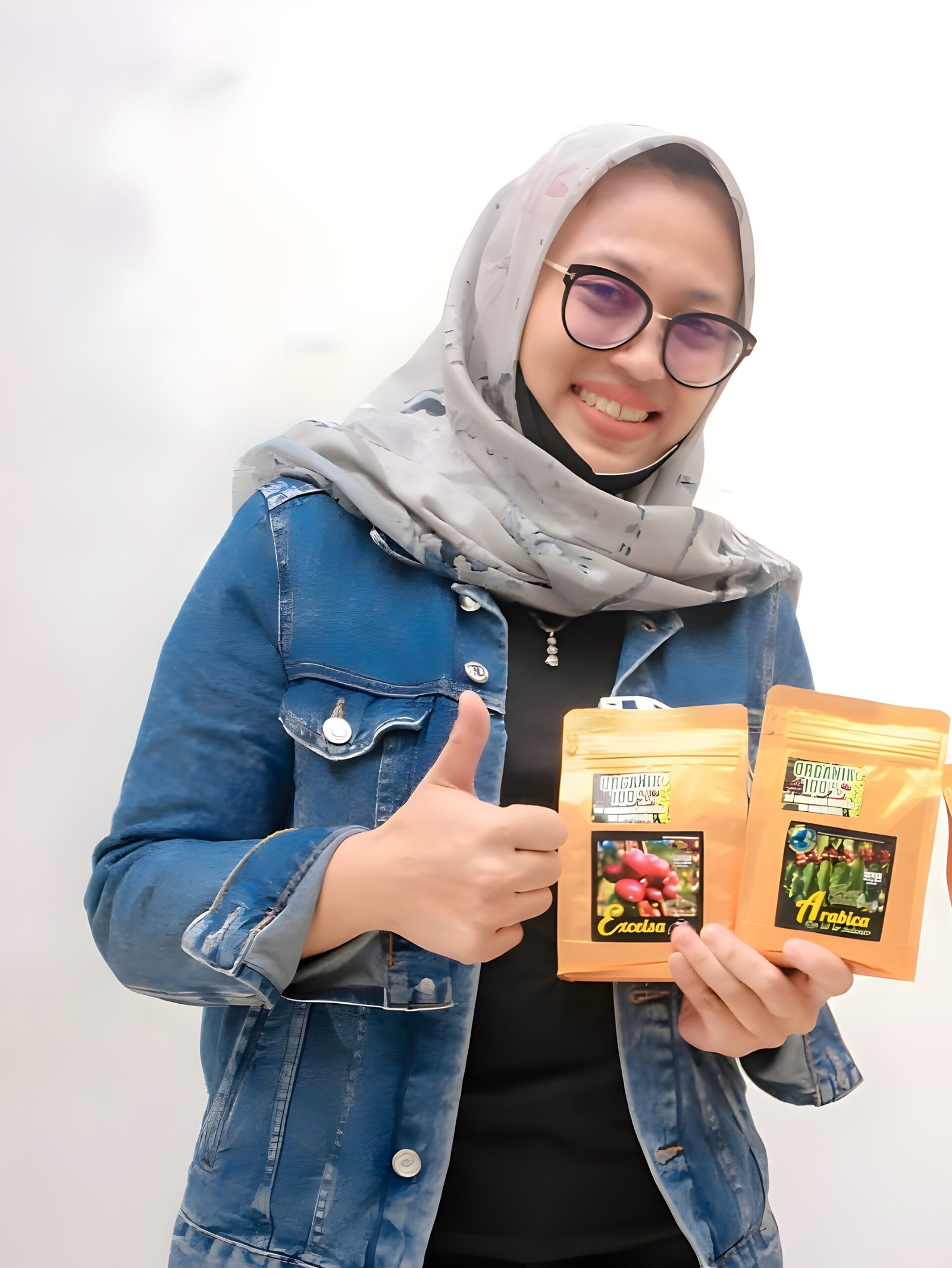
Dyah
(Cafe Owner, Mentari Hill)
“From a sustainable earth straight to a pure cup. Absolutely love it!”

Leon
(Barista & Roaster)
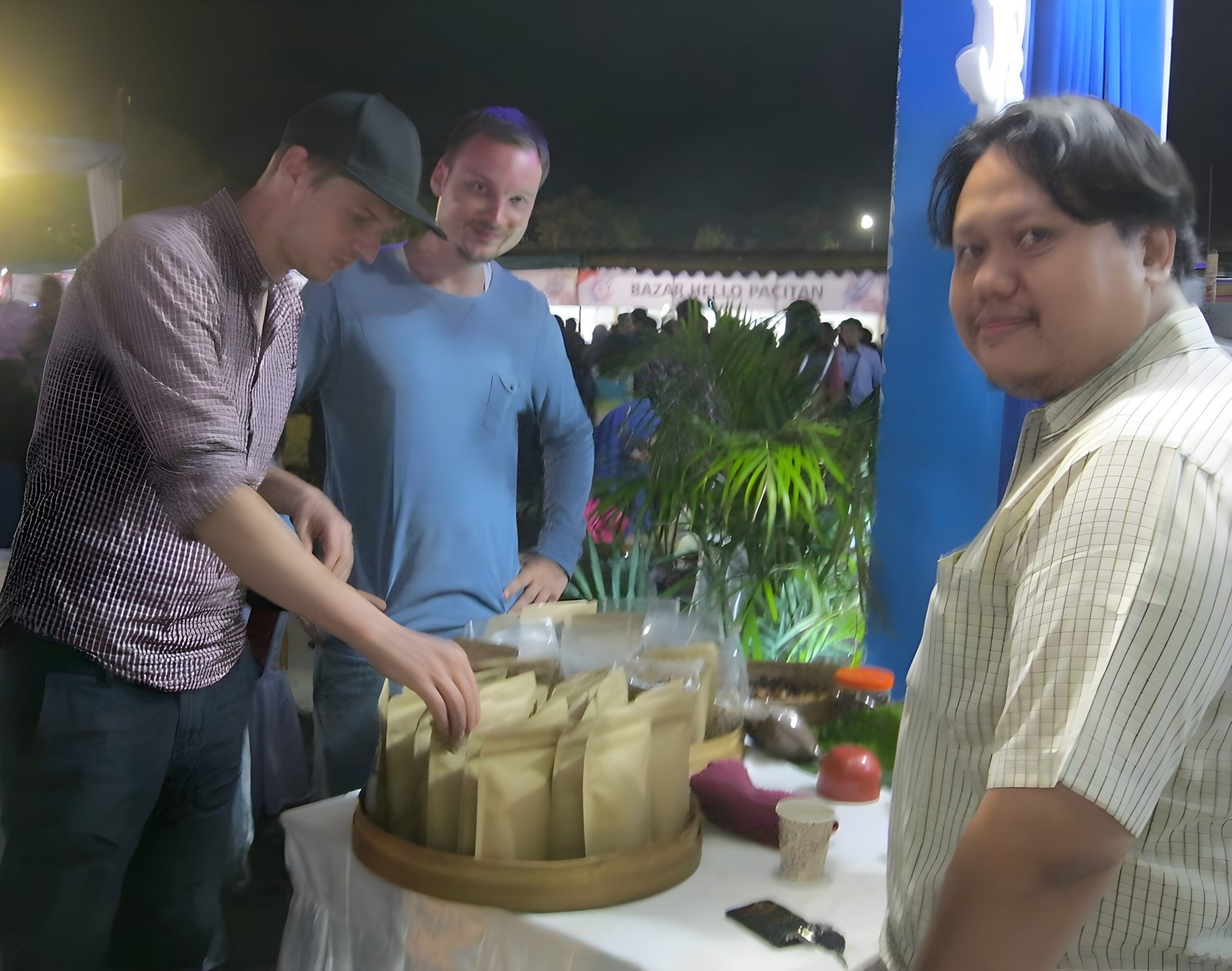
“Unique character and excellent quality!”

Natalia
(Regular Customer)
Coffee Ori by Guyub Kopi participated in the international United Nations Climate Change Conference — Conference of the Parties 31 (COP31) — held in Antalya, Turkey, from November 9–20, 2026.
Komplek Bea Cukai no.28, Pasar Minggu 12520, Jakarta, Indonesia
-
Opening Hours
Monday-Thursday
9am – 6pm
Friday-Sunday
1pm – 6pm
For Booking
+62 812 9230 2870
+62 812 9070 9747
+62 821 1177 7894
sales@coffeeori.com
coffee.sommelier@coffeeori.com